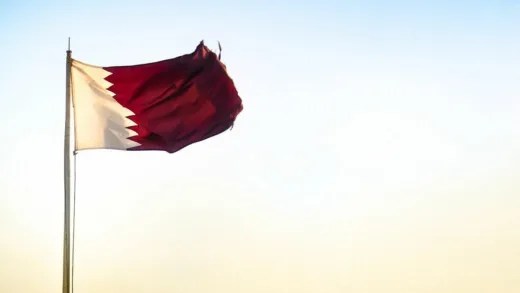
Source: Juanedc CC BY 2.0, via Flickr
What Is a Zigzag?
A zigzag is a geometric pattern that moves in a series of alternating left and right directions, somewhat resembling the letter “Z” in its shape. This pattern is found everywhere, appearing in both natural formations and human design, spanning geological formations, architectural motifs, and artistic expressions. It can be found in various forms, such as a snake movement, winding roads, designs on fabric, floor tiles, and many other instances.
Flags With Zigzag Designs
Zigzag patterns also appear in flags as a design element, often symbolizing various cultural, historical, or geographical aspects.
In this article, we will explore three national flags—Nepal, Qatar, and Bahrain—that have zigzag patterns. The symbolism embedded within these zigzag patterns varies for each flag. Let’s delve into their meanings.
1. Qatar
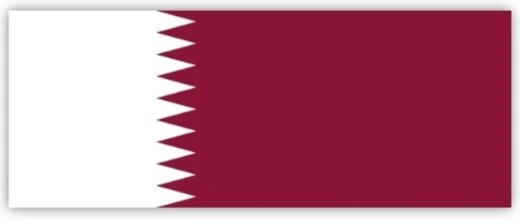
The flag of Qatar displays a unique pattern with maroon dominating the field and a broad white serrated band with nine white points running along the hoist side.
The white color symbolizes peace, unity, and purity, while the maroon represents the historic sacrifices and bloodshed in defending the independence of the country. The zigzag pattern is taken from the traditional Islamic design motif known as the serrated line or “Silsilat al Zahab” (Golden Chain). This design has been used in Islamic art and architecture for centuries and symbolizes the connection between heaven and earth.
It also said that the zigzag pattern was derived from serrated edge of scimitar, a Qatar’s traditional curved sword. The serrated edge of the scimitar embodies principles of defense, and readiness to protect the country’s sovereignty and values.
The nine white points represent the entry of Qatar as the ninth member state of the Emirates of Trucial Oman following the Qatari-British treaty in 1916, succeeding Bahrain, Dubai, Abu Dhabi, Ajman, Fujairah, Sharjah, Ras Al Khaimah, and Umm Al Quwain.
2. Bahrain
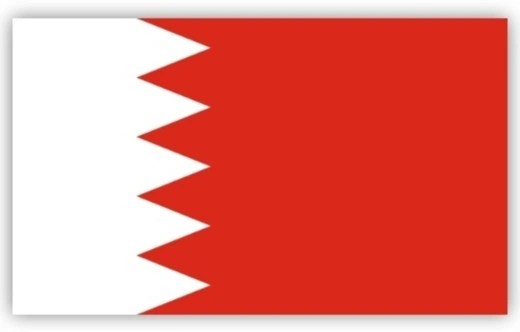
The flags of Bahrain and Qatar look similar but they also have distinctive differences. The main distinction lies in the color of the prominent field and the number of points in the zigzag pattern. While Qatar’s flag features a maroon field with nine points in the zigzag, Bahrain’s flag has a pure red field with five points in the zigzag.
The symbolism of the colors on the flags of Bahrain and Qatar is the same. The white color signifies peace, unity, and purity, while the red represents the sacrifices and bloodshed of the people who fought for independence. The zigzag in the Bahrain flag also derived from Silsilat al Zahab and the serrated edges of Bahrain’s traditional swords.
The five points in the zigzag pattern on the Bahrain flag represent the five pillars of Islam, which are the five basic acts in Islam that are considered obligatory for all Muslims. These pillars are Shahada (faith), Salah (prayer), Zakat (charity), Sawm (fasting during Ramadan), and Hajj (pilgrimage to Mecca).
3. Nepal
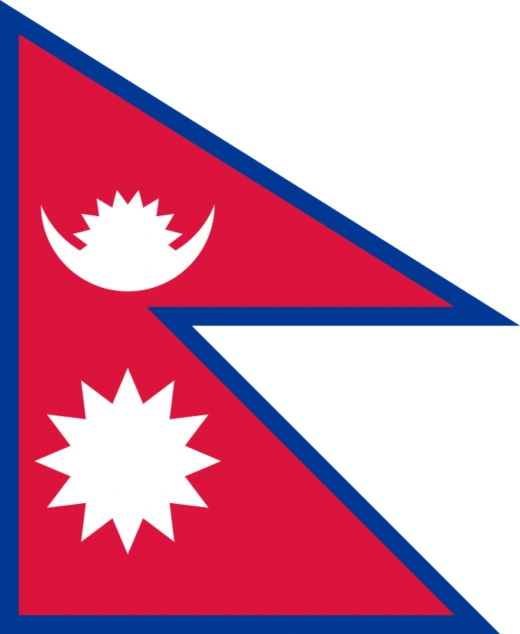
The flag of Nepal is unique from all other national flags in the world because it is not square or rectangular in shape. It is a five-sided design made out of two stacked triangles, with the larger triangle forming the base and the smaller triangle placed on top. The combination of these two triangles creates the distinct zigzag pattern along the edge of the flag.
The shape of this flag is a representation of the Himalayan mountains, a geological feature in Nepal where the tallest mountains in the world (including Mount Everest) are located. The two pennants also symbolize Buddhism and Hinduism, the two main religions practiced in the nation. When the flag is mirrored, it creates the image of a pagoda, which is a Buddhist and Hindu sacred building.
The flag’s three colors—crimson red, dark blue, and white—are popular in Nepalese art and decoration and are also symbolic. The main color is crimson red, which is Nepal’s national color. It also the color of the Rhododendro, the country’s national flower, and it embodies the brave spirit of the Nepalese people. The color blue symbolizes peace and harmony, whereas white denotes light and awakening.
The depiction of celestial bodies—the moon and the sun—is for permanence, and the Nepalese saying, “Nepal will exist as long as the sun and the moon remain in the sky.”
The moon also represents calmness and the cold temperature of the highland region, whereas the sun also symbolizes fierce and warm temperatures in the lowland region.
The eight spikes of the moon signify the eight phases of the moon, while the 12 rays of the sun symbolize the 12 stages of the sun.
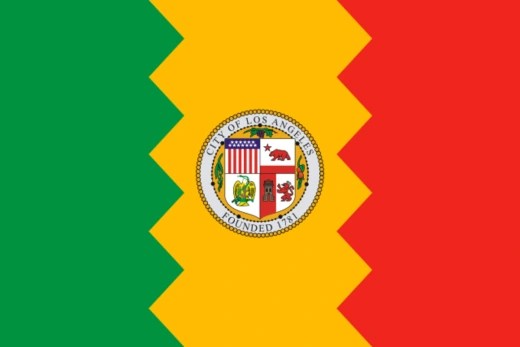
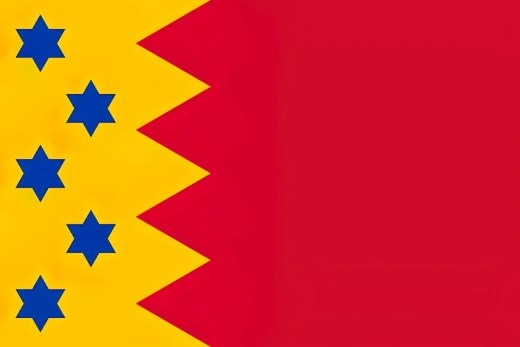
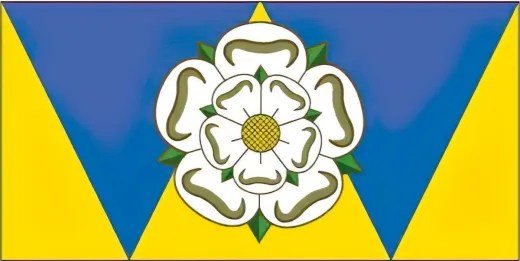
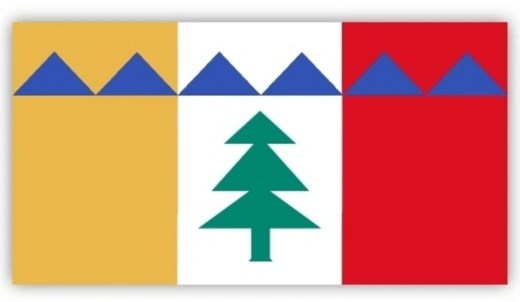
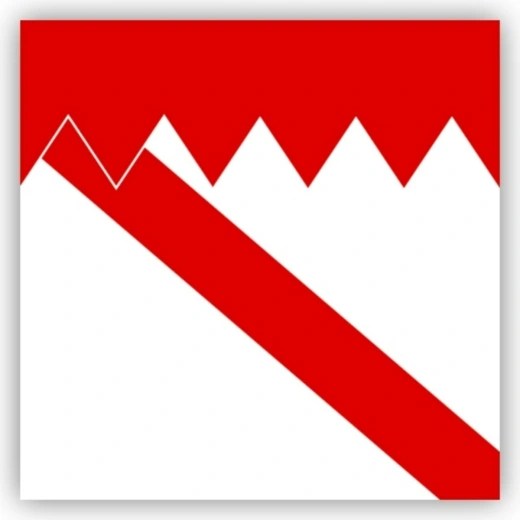
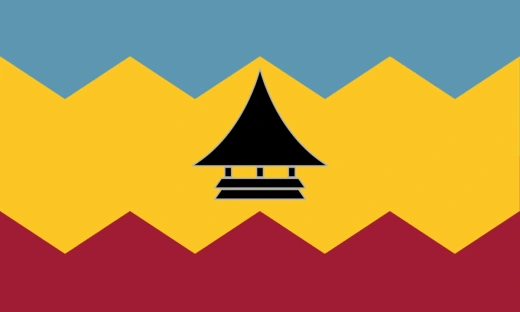
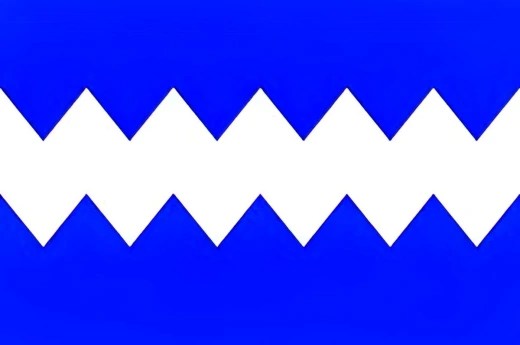
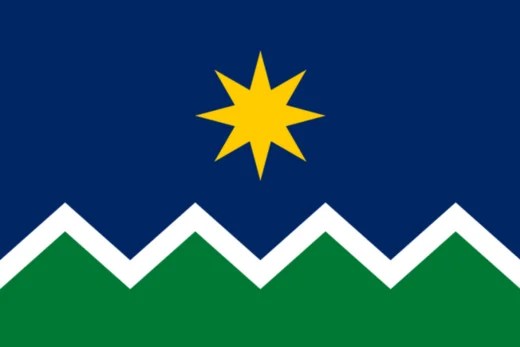
Other Flags That Have Zigzag Patterns:
Sources:
- Zigzag Sign: Prehistoric Geometric Symbol | ArtsLookUp.com
- A Look at Zigzag Fabrics | Fabric Blog
- Zigzag Patterns — Explained | Amity Worrel & Co.