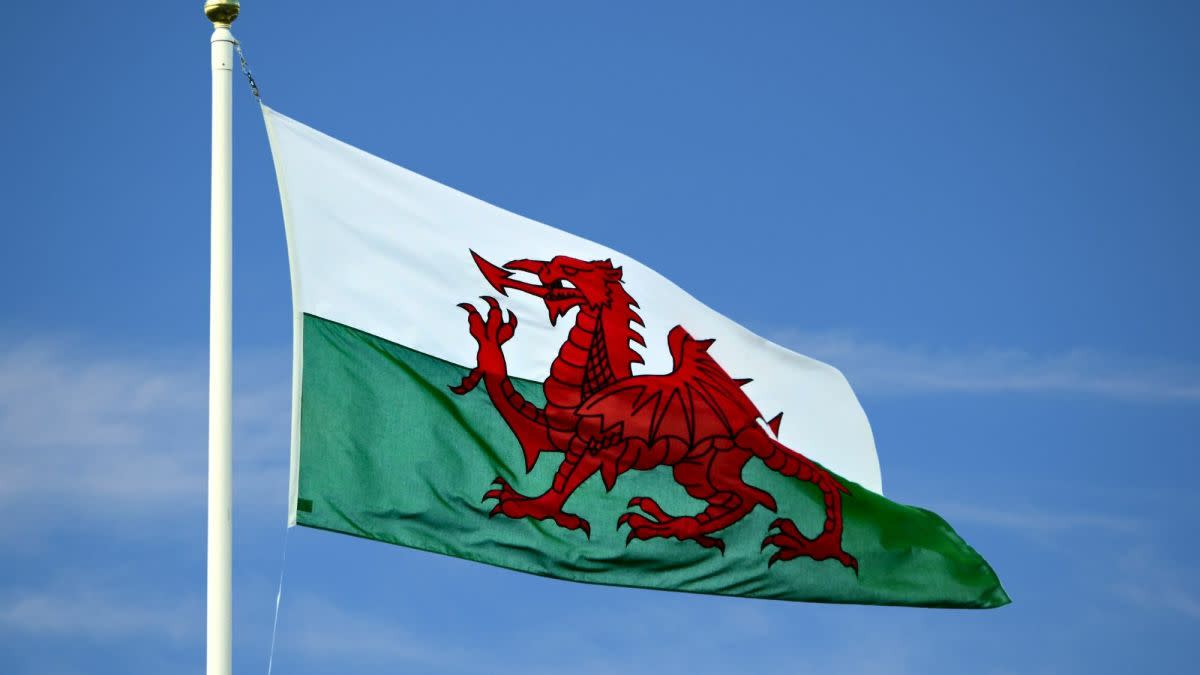
Dragons are large, mythological reptile creatures appearing in folklore and mythology from all over the world, each having their own unique characteristics.
In Western cultures, they are usually portrayed as enormous, fire-breathing beings with sharp claws and bat-like wings. They are often said as terrifying monsters guarding treasure hoards. In Eastern cultures, in contrast, they are depicted as long, serpent-like beings with legs and capable of flight but no wings. In this region, they are seen with their association with wisdom, strength, and good fortune.
In this article, I will showcase flags from around the world that feature dragons, with a special discussion on the national flags of Wales, Malta, and Bhutan, exploring the meanings, representations, and symbolism of these creatures on these flags.
Countries That Have Dragons on Their National Flags
- Bhutan
- Malta
- Wales
1. Bhutan
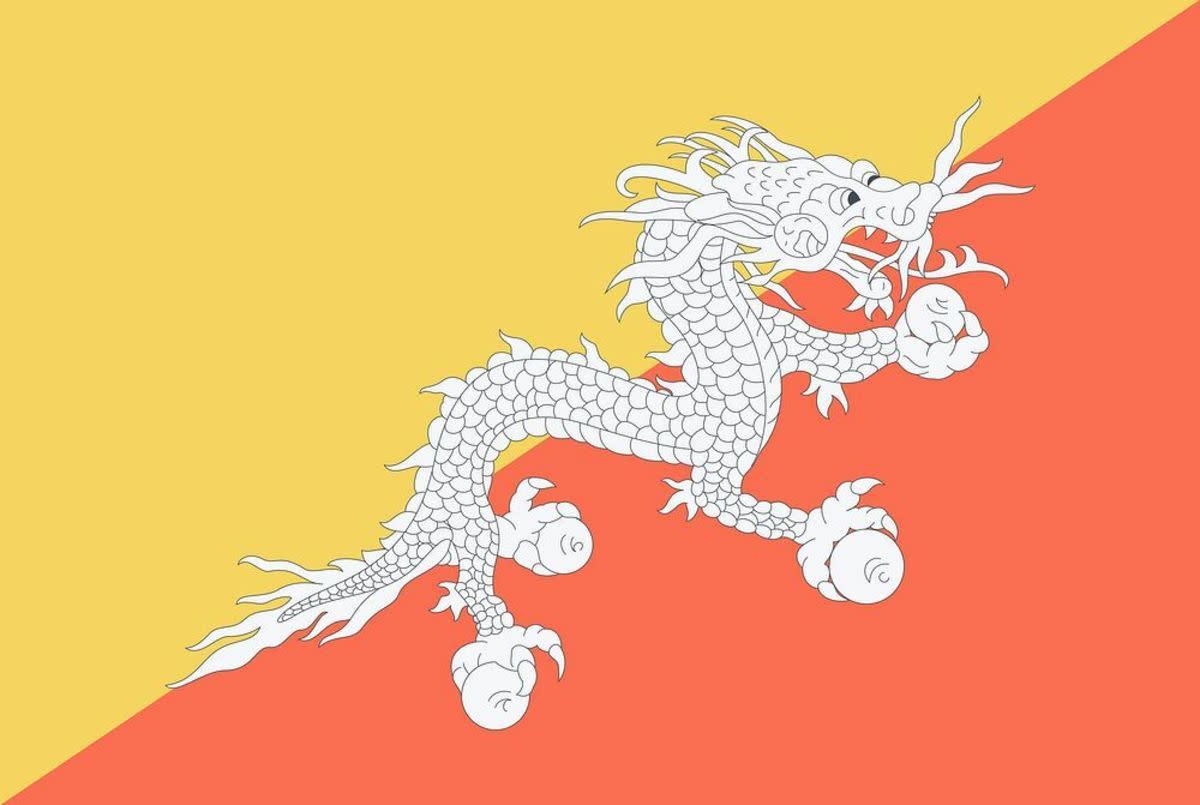
The Bhutanese national flag is a banner with a dragon. The dragon represents Bhutan’s moniker, “Land of the Thunder Dragon,” a reference to its loud thunderstorms from the Himalayan mountains that hit the valleys. According to Bhutanese folklore, dragons live in heaven and the sound they produce is the thunder.
The dragon is white, a symbol of the purity and loyalty of the country. It holds round gems, symbolizing the nation’s prosperity and excellence.
Bhutan’s flag also contains diagonal yellow-orange and red-orange stripes. The yellow-orange represents the government and its political significance in the country. The red-orange stripes symbolize Buddhism, the country’s predominant religion, and reflect its cultural and spiritual significance.
2. Malta
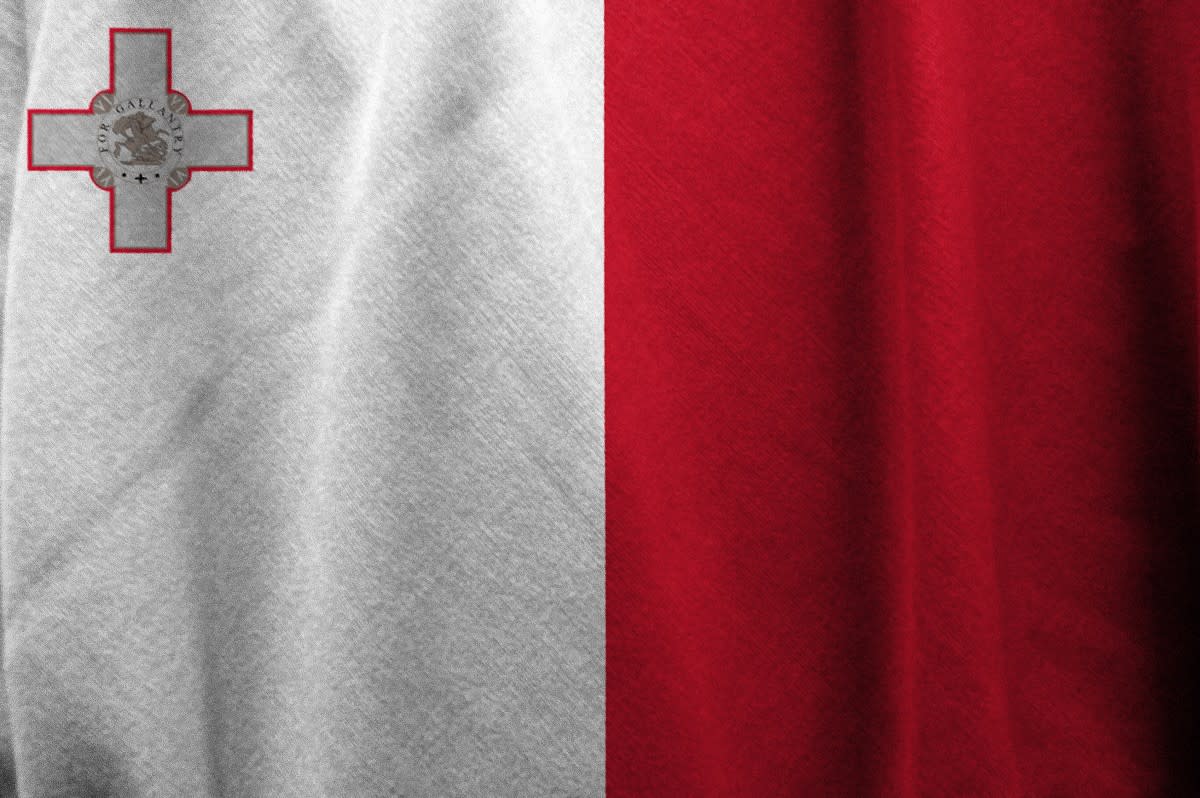
The Maltese flag consists of two vertical bands—one white on the left and the other red on the right. In the upper left corner of the white band, there is a cross known as the George Cross, which symbolizes Malta’s remarkable bravery and resilience during World War II, embodying the enduring spirit and sacrifice of the Maltese people.
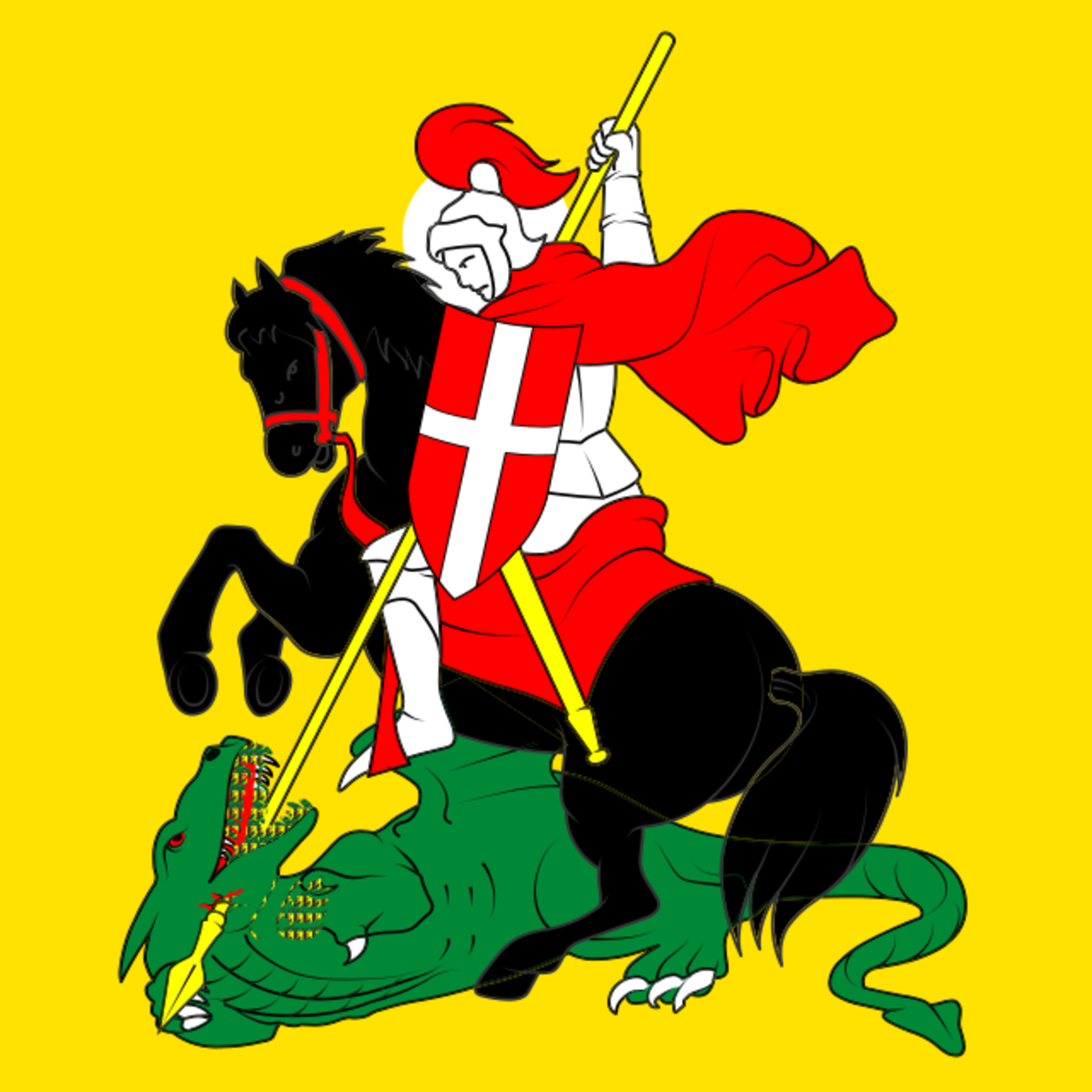
The cross is silver and depicts Saint George, the patron saint of England, slaying a dragon. St. George is portrayed as a knight on horseback defeating the mythological beast, signifying courage and the triumph of good over evil. The cross is also inscripted with “For Gallantry,” a traditional word for bravery, with the words arranged in circular form.
The colors of the two vertical bands are also symbolic. The color white represents the Maltese people’s purity and commitment to peace. The color red reflects the nation’s courage and heroism.
3. Wales
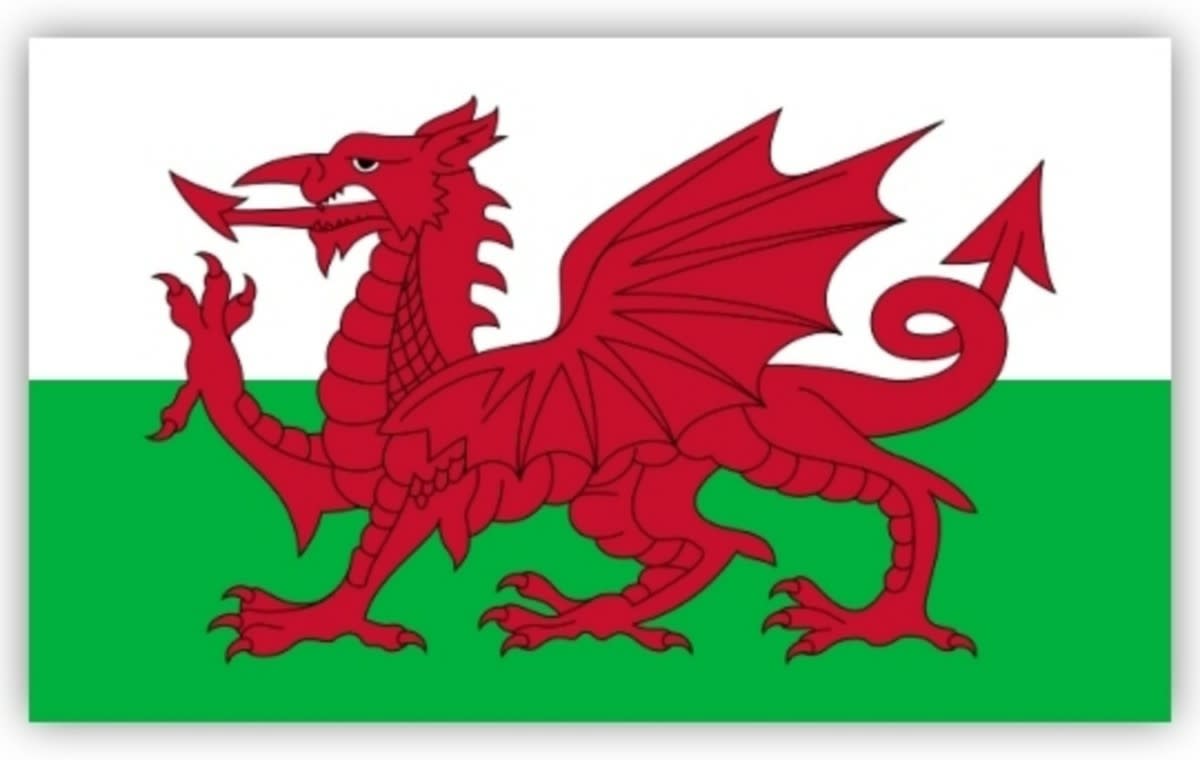
The Welsh flag comprises horizontal white and green bars with a red dragon in the center. The green background symbolizes the lush landscapes of Wales, while the white provides a contrasting element, symbolizing purity and peace.
The red dragon is an important symbol in Welsh mythology, representing strength and protection. It is a major figure in many Welsh legends and folklore, contributing to the country’s rich cultural heritage.
The flag design has historical significance, dating back to the 15th century, and it was officially adopted as Wales’ national flag in 1959.
Sources of Information:
- The History of the Welsh Dragon – Symbol of Wales | Historic UK
- Flag of Wales | Meaning, History & Dragon Symbol | Britannica
- Bhutan National Flag | History & Facts | Flagmakers
- Malta | Flags of the World
- Bhutan | History, Map, Flag, Population, Capital, Language, & Facts | Britannica
- Malta Flags | American Flags
- National Symbols of Malta | Guides for Your Expatriation | Expat-Quotes.com
- Rugby World Cup: What Is the History of Wales’ National Flag? I BBC News
- Minurso’s Peacekeepers: National Day of Bhutan | Minurso
- The Legend of the Welsh Dragon | Visit Wales
- Bhutan Flag – Milestones of Development and Symbolism | World Clock
- The George Cross on Malta’s Flag: A Symbol of Colonial Hangover? I BNN Breaking
- The Welsh Flag Has Been Voted the Coolest Looking Flag in the World | North Wales Live
- A Closer Look at Bhutan’s National Flag | Daily Bhutan