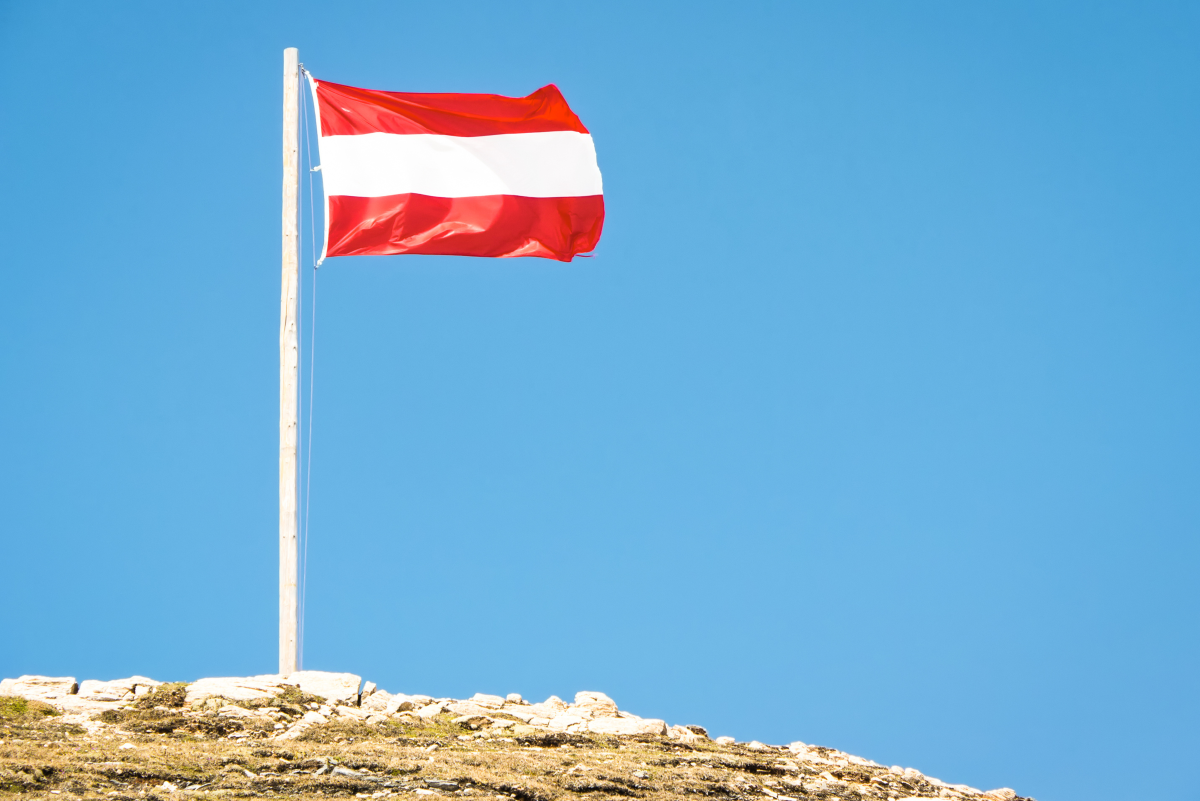
Every country on the planet has its own national flag, a piece of cloth with a unique design that is often flown from a flagpole. A flag represents a country and its people. It is a national symbol of independence and sovereignty. Flags are flown over schools, offices, and public locations, and athletes carry them in international competitions as a display of pride for the country they represent.
They come in all sorts of color patterns and designs, often associated to a nation’s history, geography, or cultural beliefs.
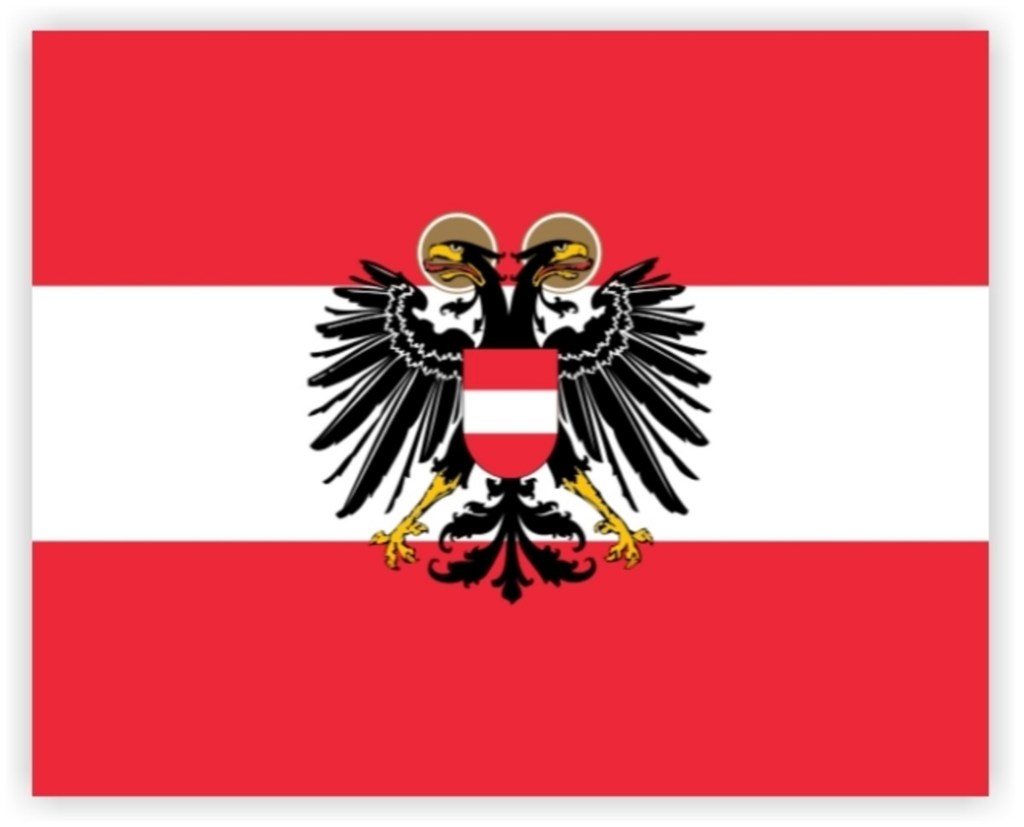
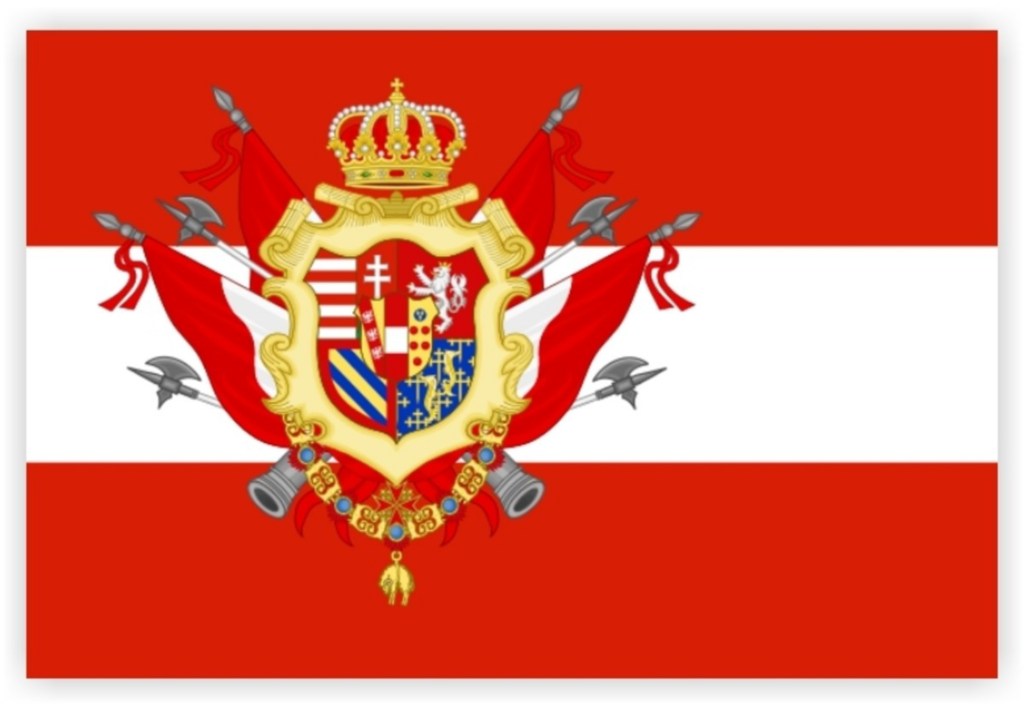
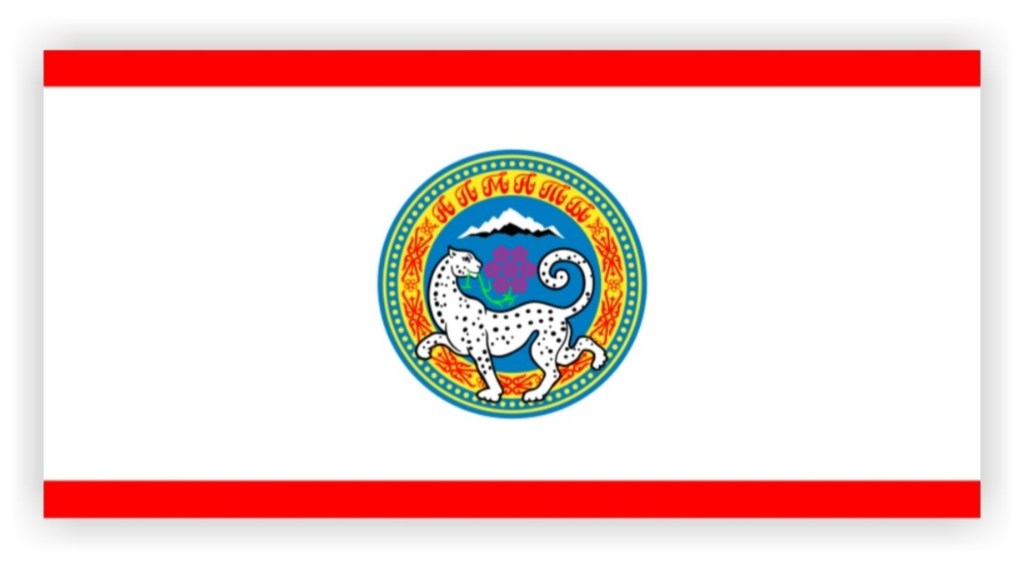
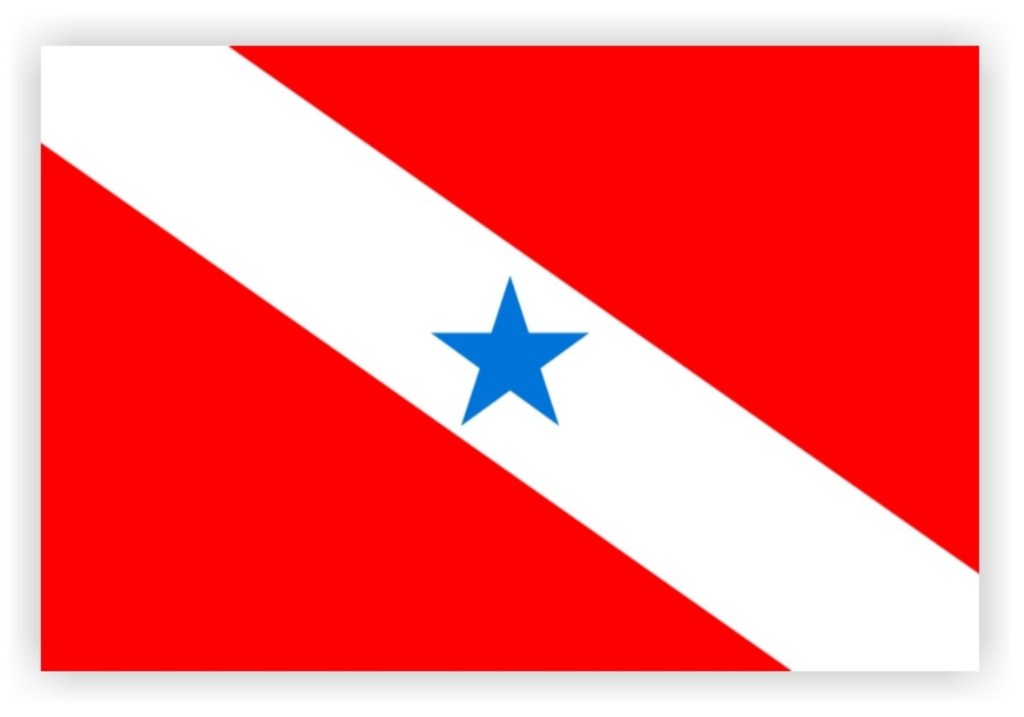
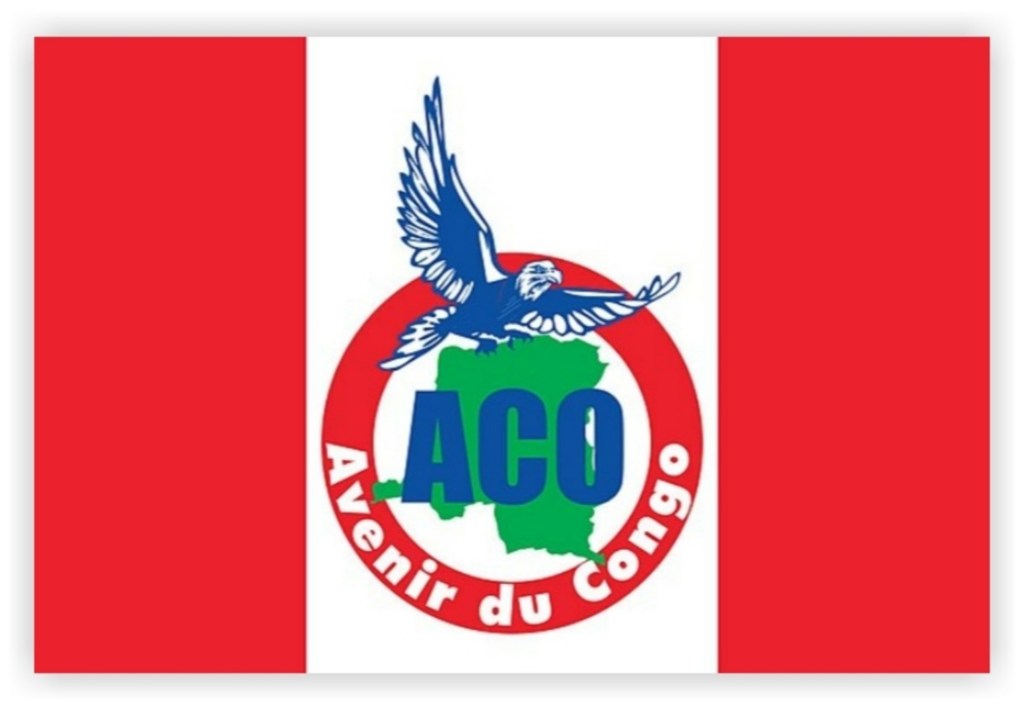
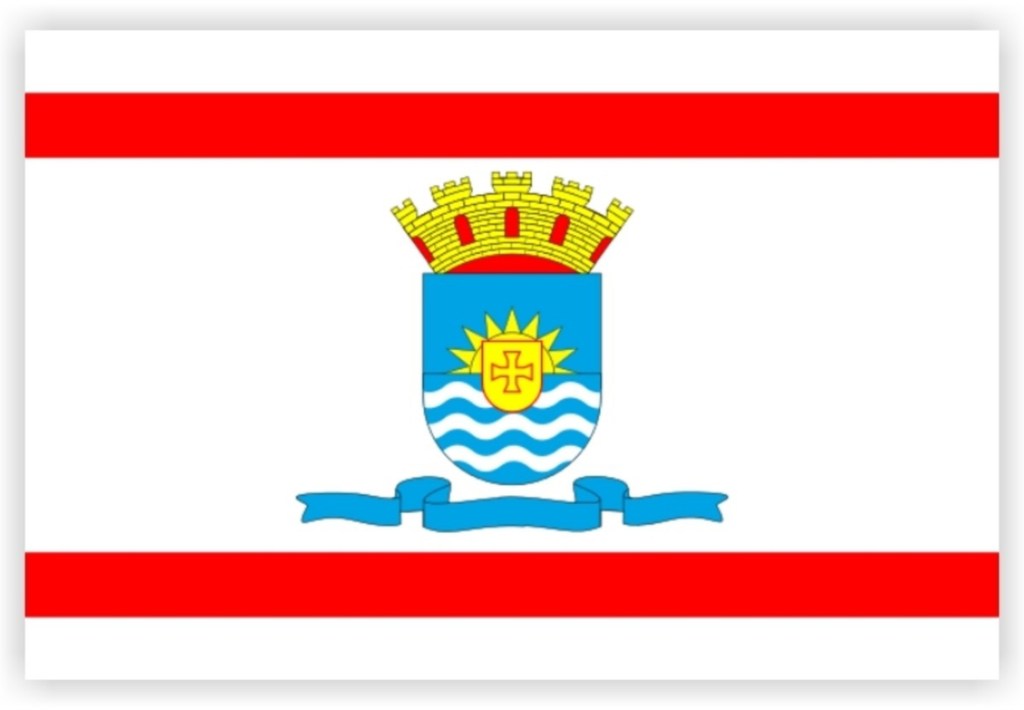
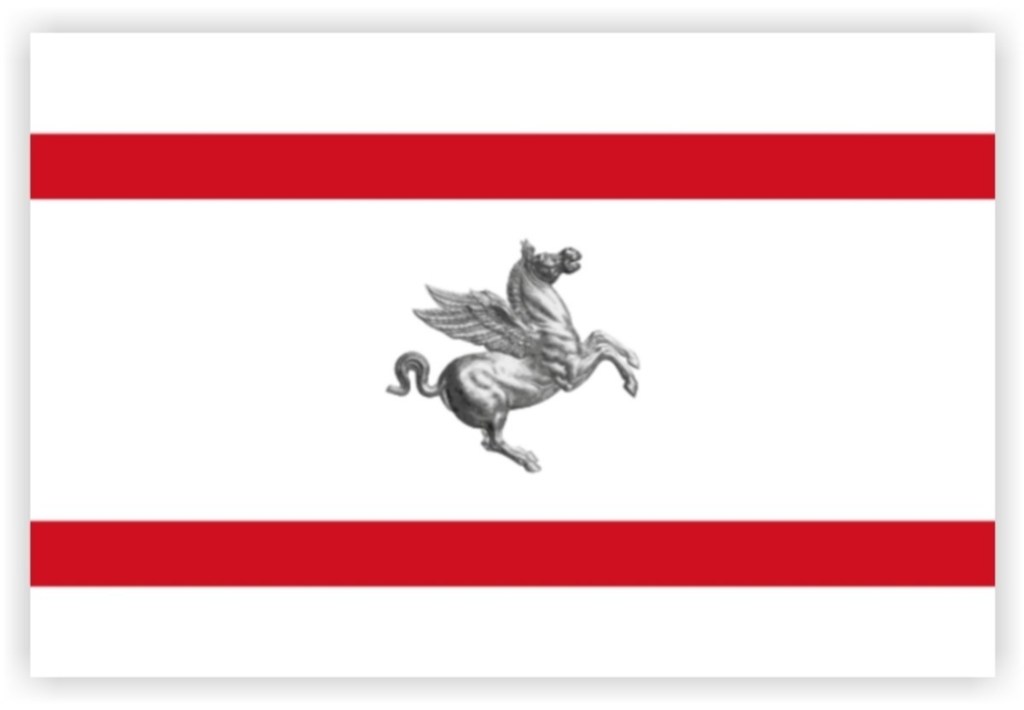
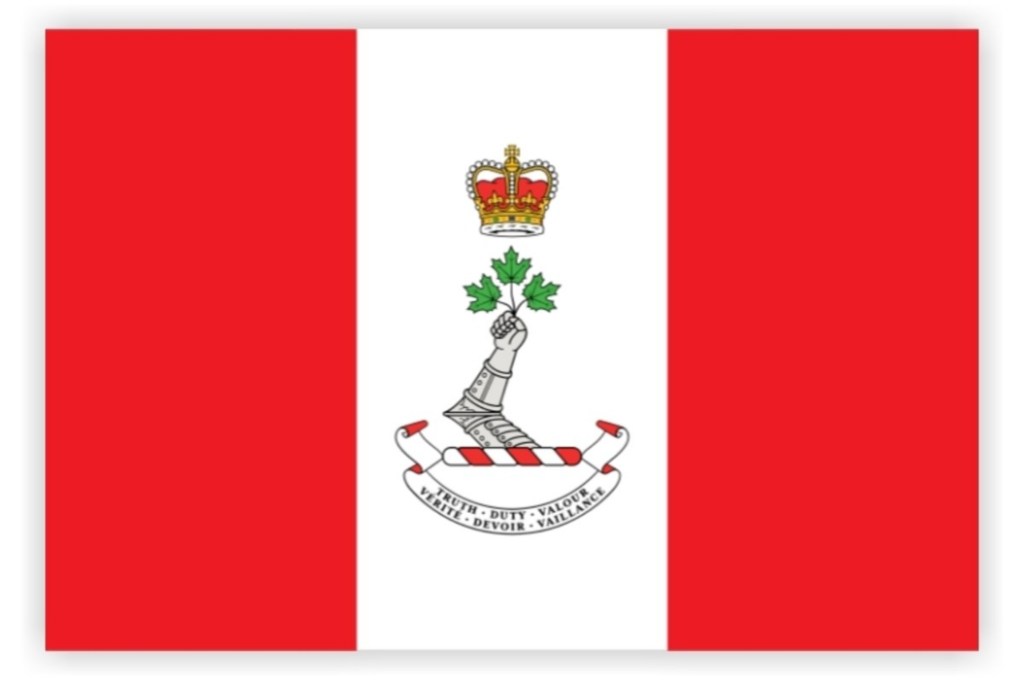
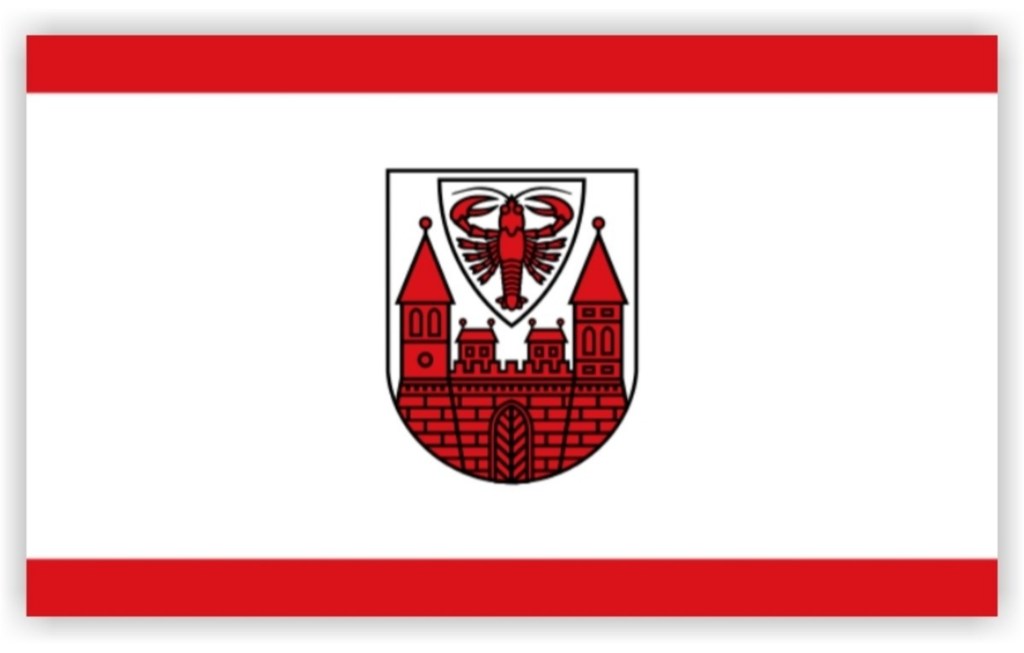
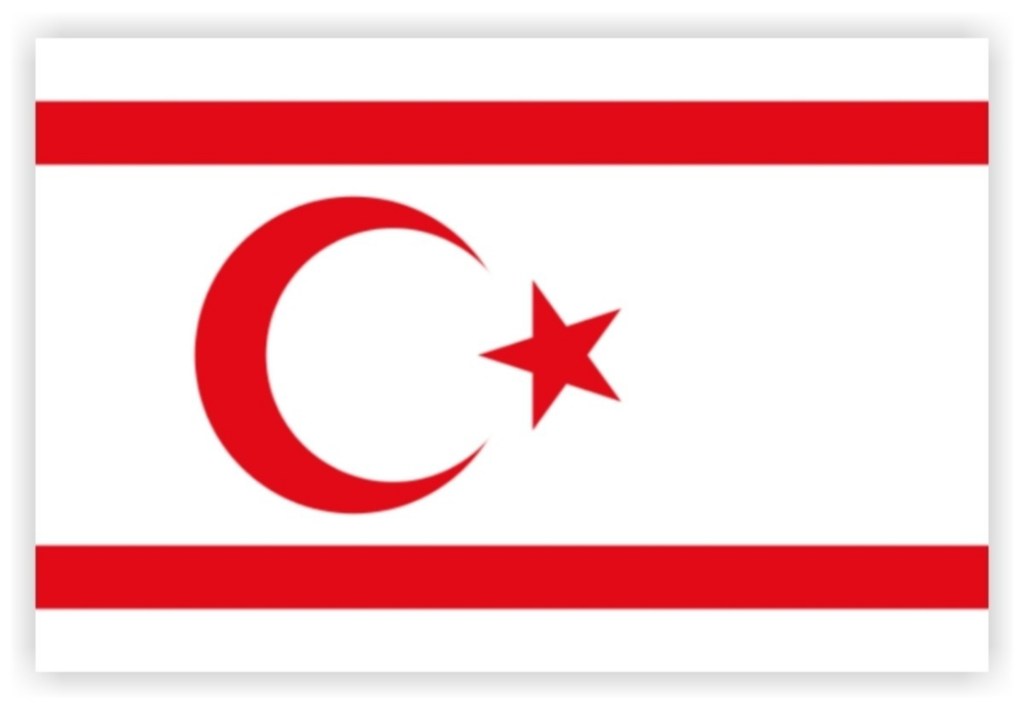
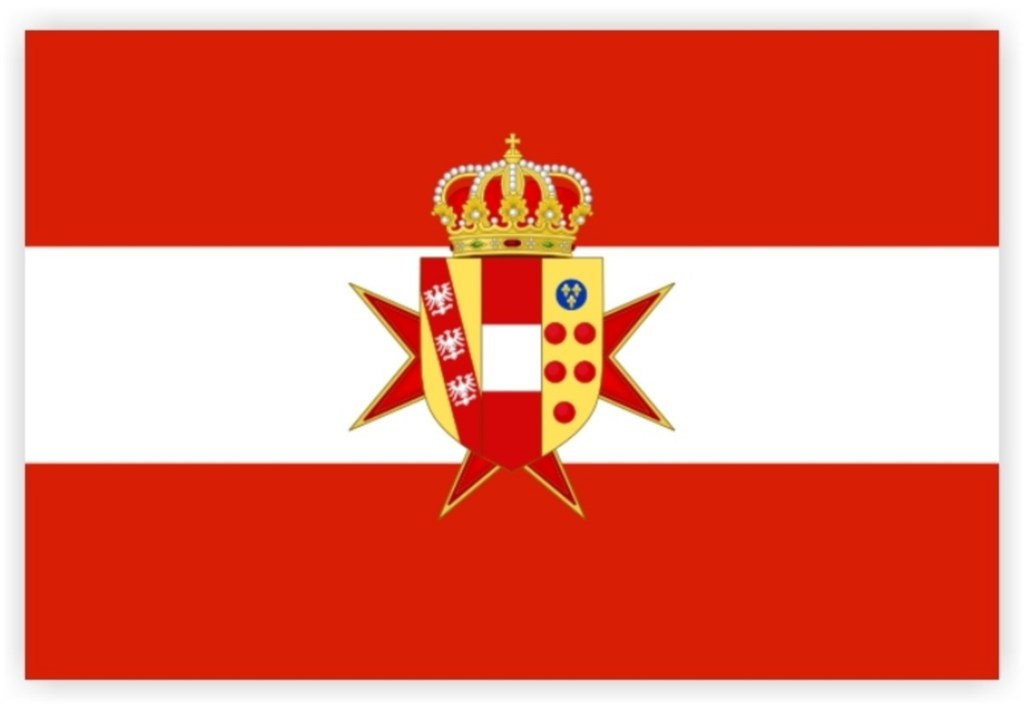
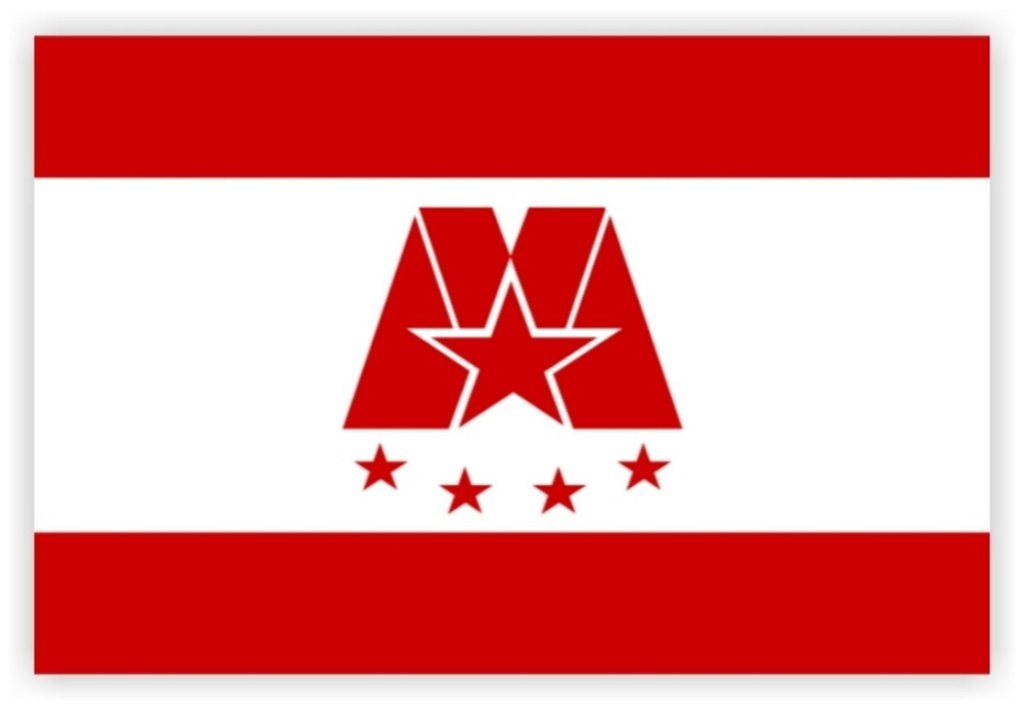
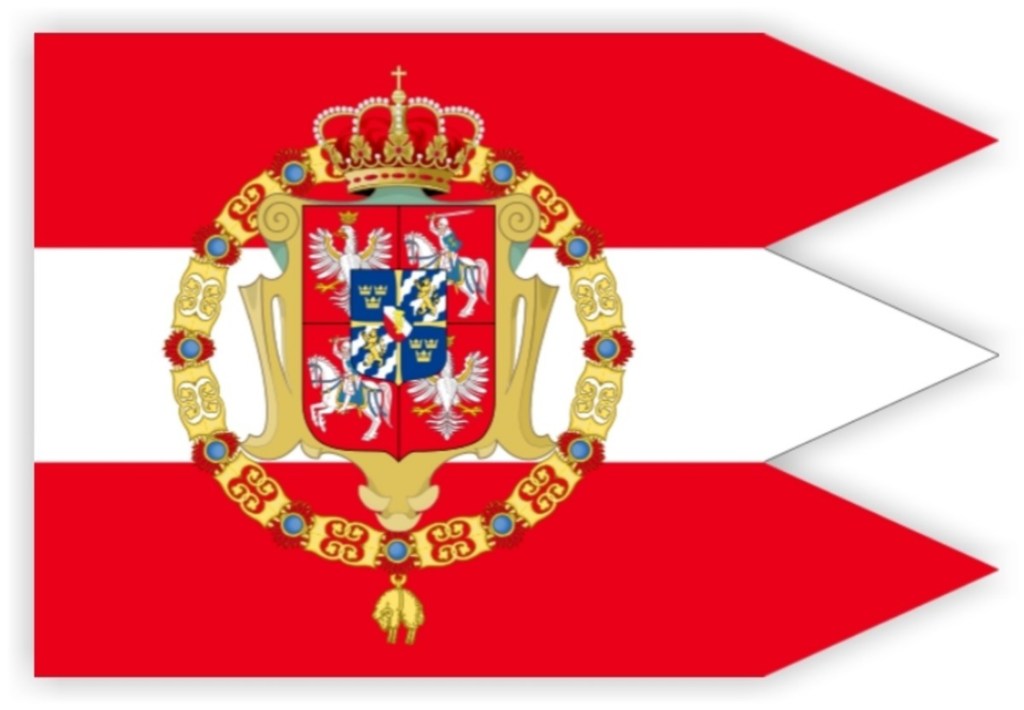
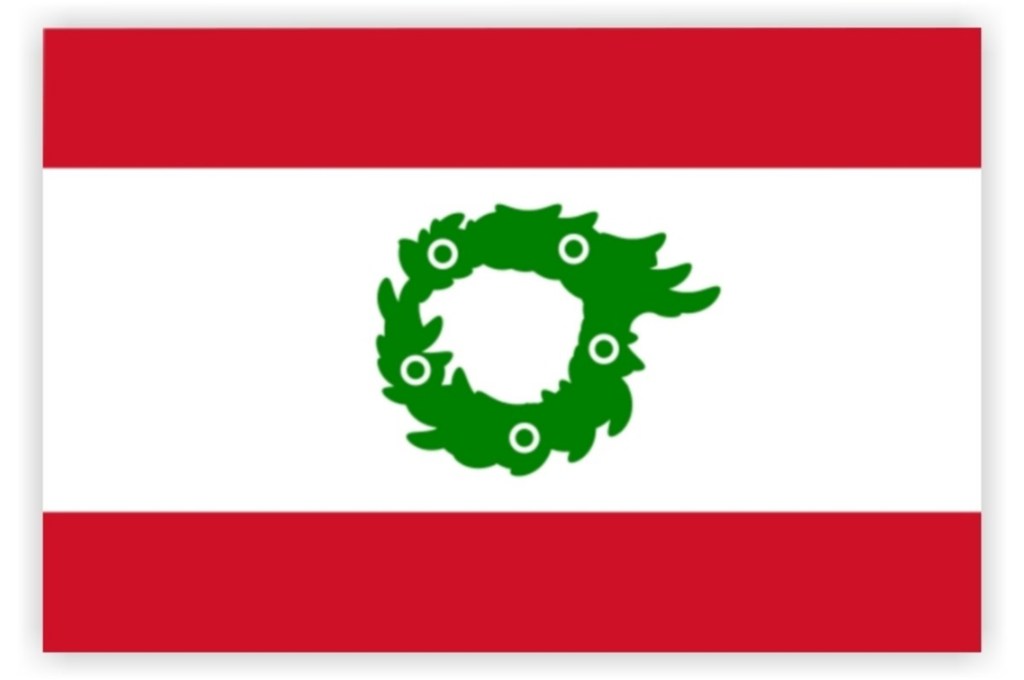
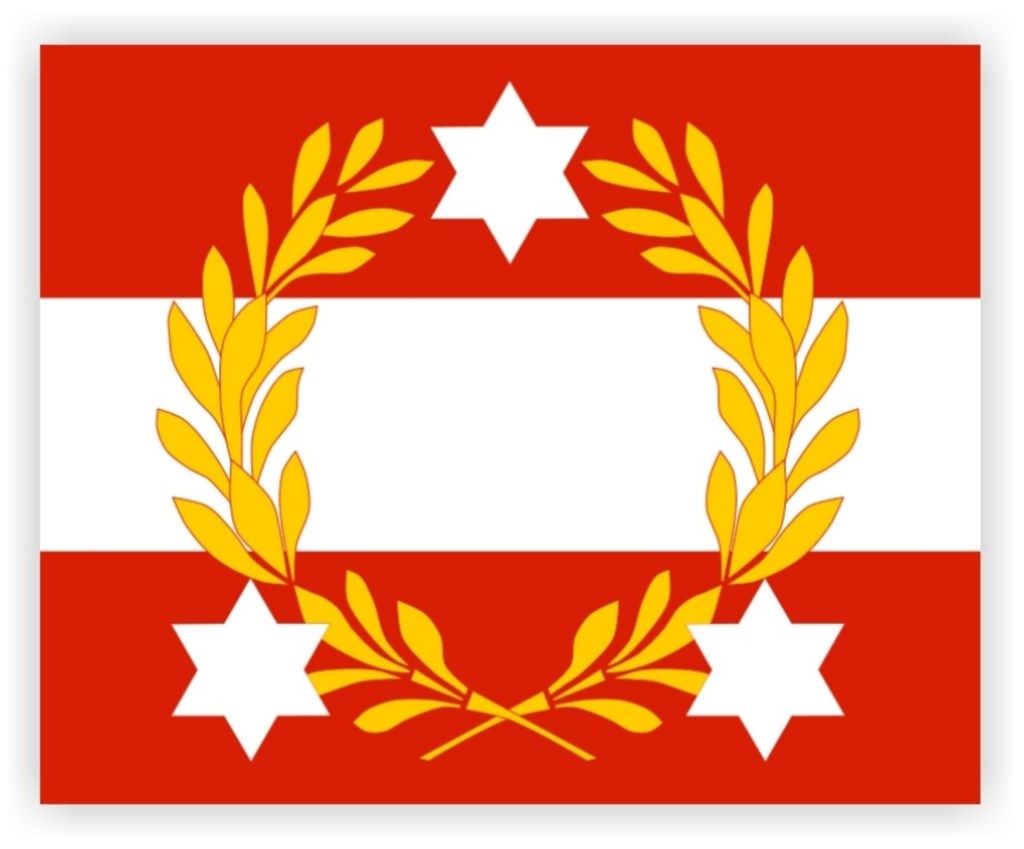
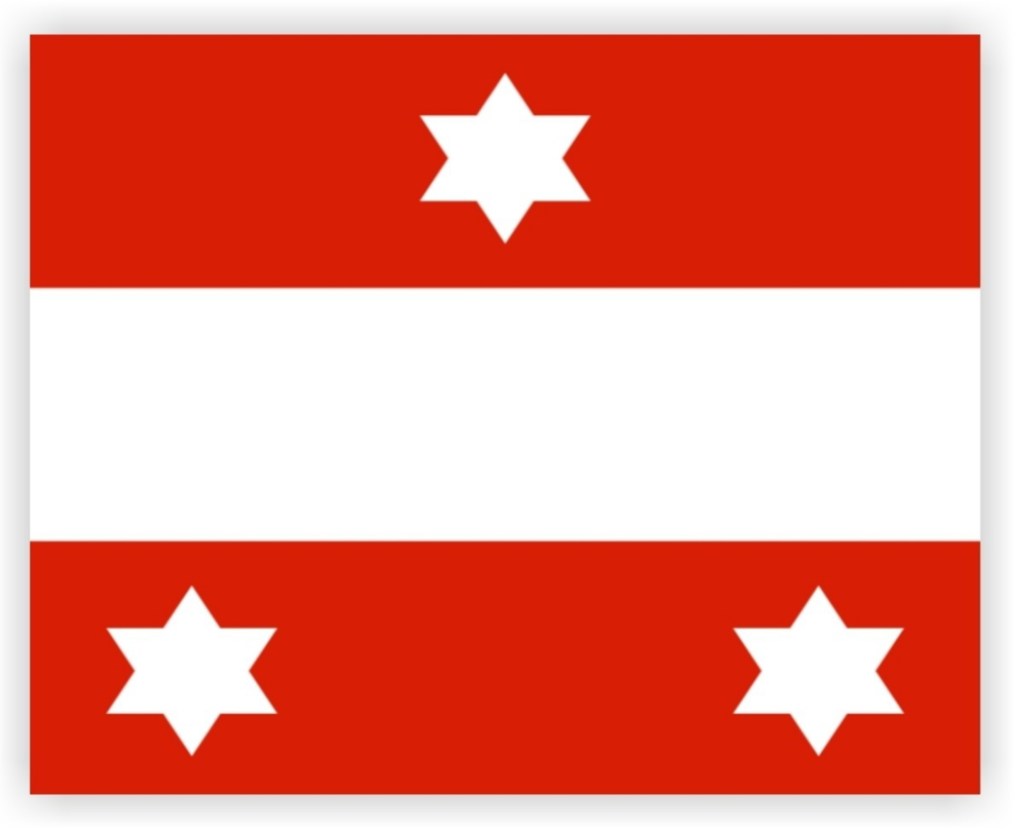
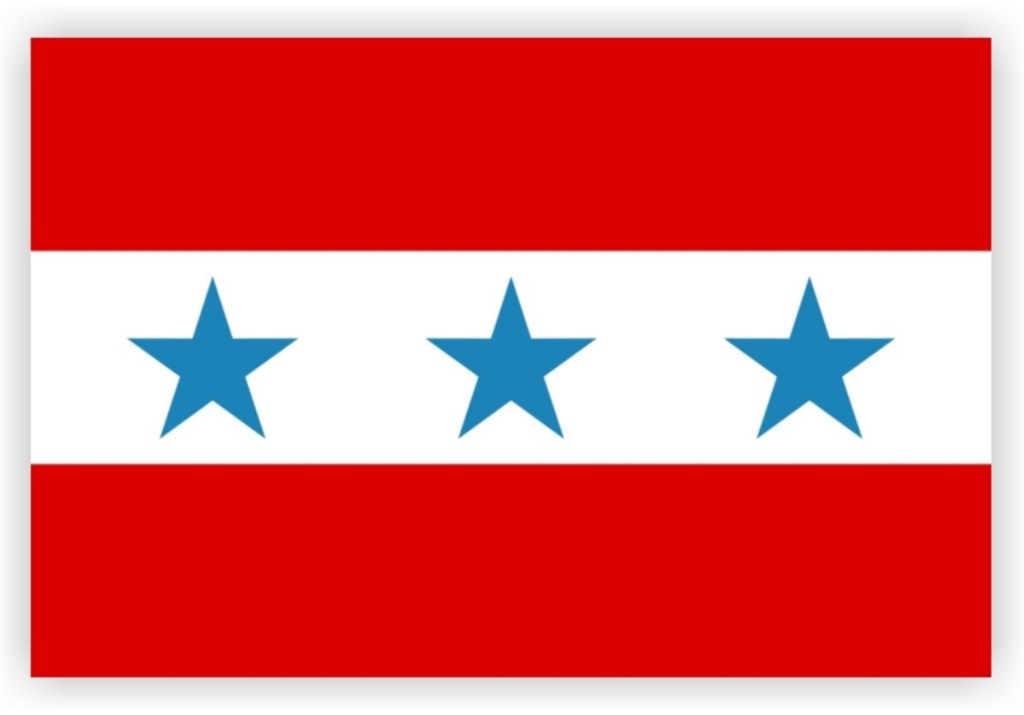
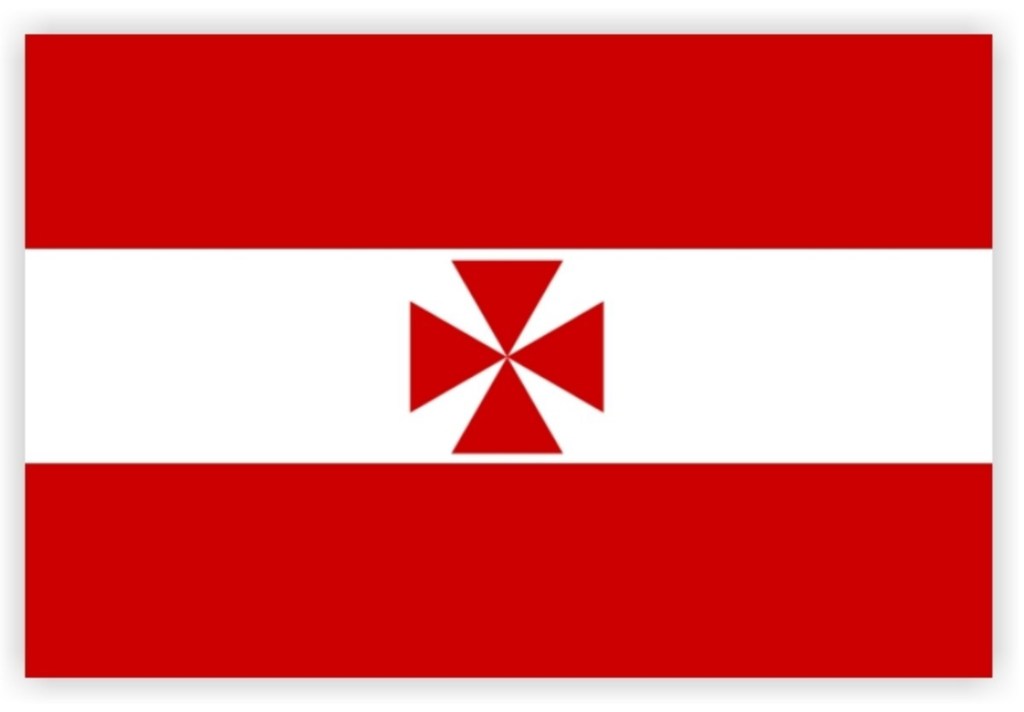
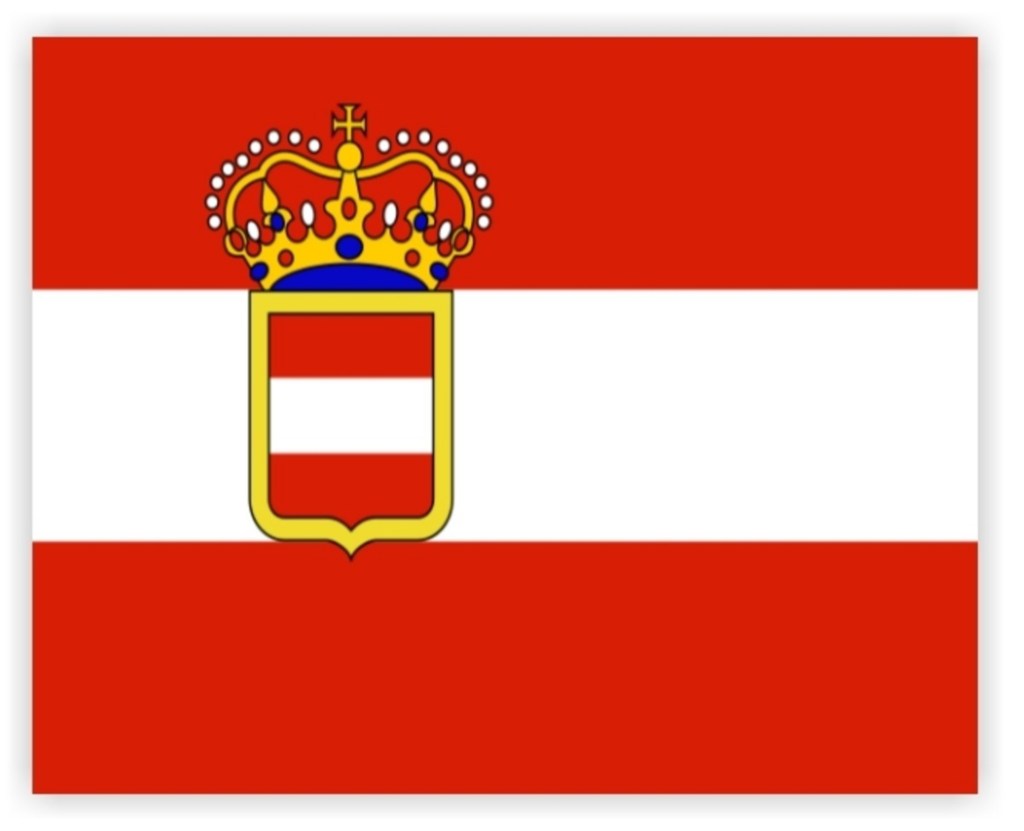
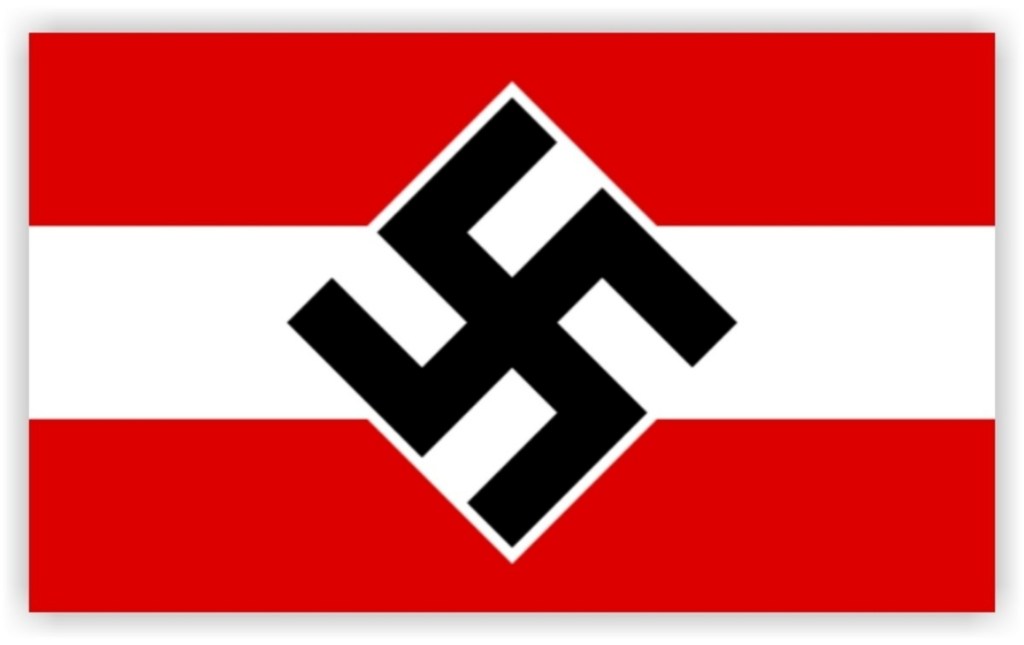
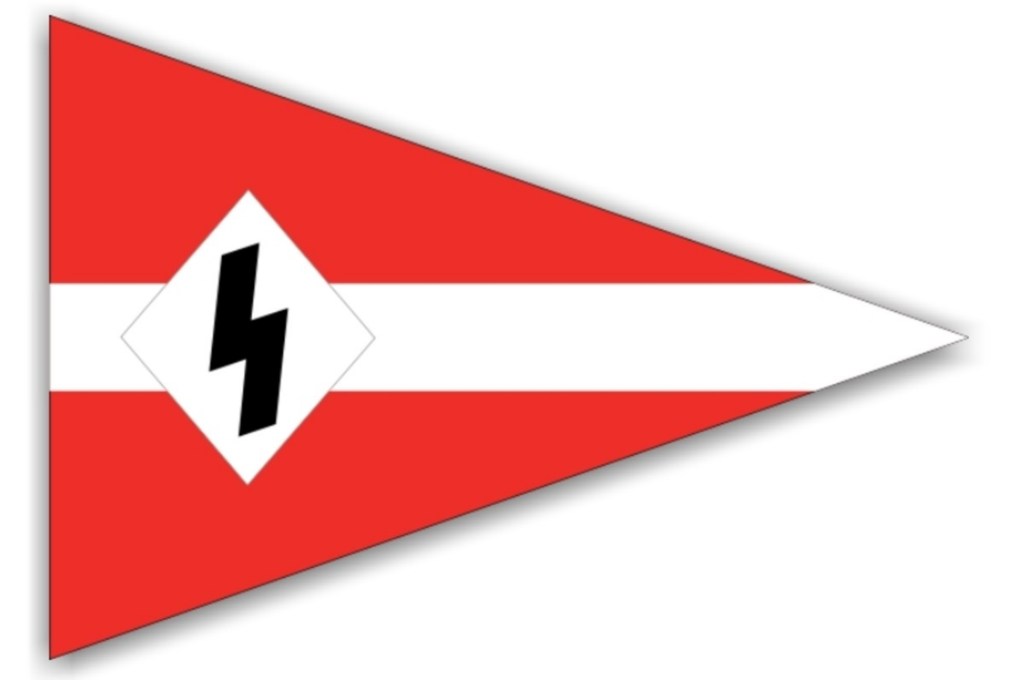
This article explores a group of flags that share a red-white-red motif, from countries and cities to provinces, schools, and organizations — and what those colors often represent.
National Flags With Red-White-Red Motifs:
- Canada
- Austria
- Latvia
- Peru
- Lebanon
1. Canada
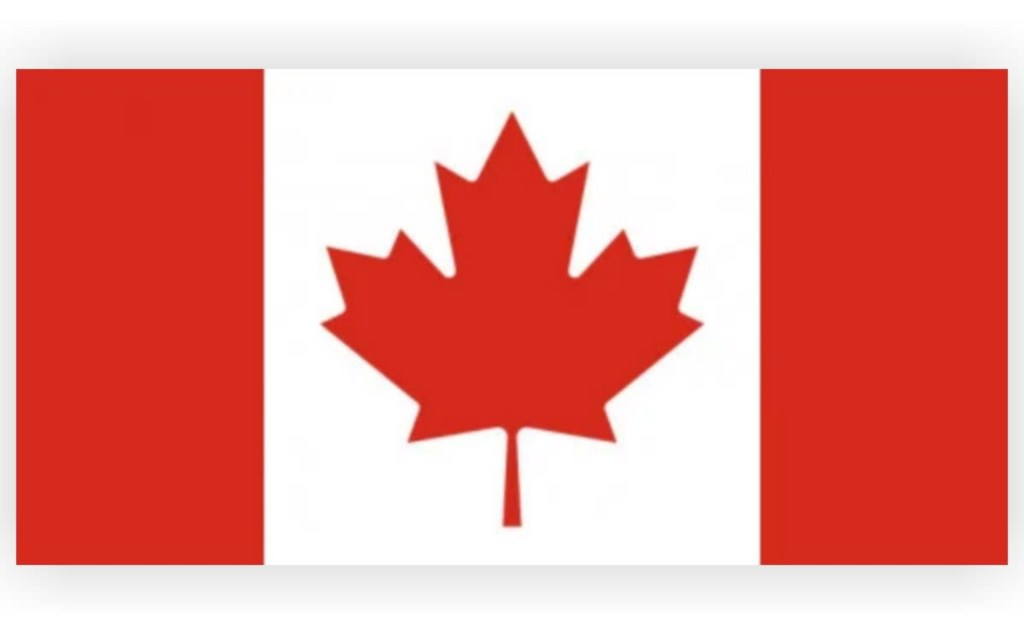
The national flag of Canada features the national colors of the country, which are red and white. The red color signifies prosperity and hope, whereas the color white signifies impartiality, serenity, and tranquility, as well as the Canadian moniker “Great White North.”
The red-white-red design is inspired by the flag of the Royal Military College of Canada and the ribbon of the 1899 Canada General Service Medal, a British award granted to troops who defended Canada in 19th-century battles.
The iconic maple leaf in the center of the flag is a national emblem of Canada and a widely recognized symbol that can be found on currency, passports, badges, buildings, and works of art. It is the symbol of honor, courage, and commitment.
2. Austria
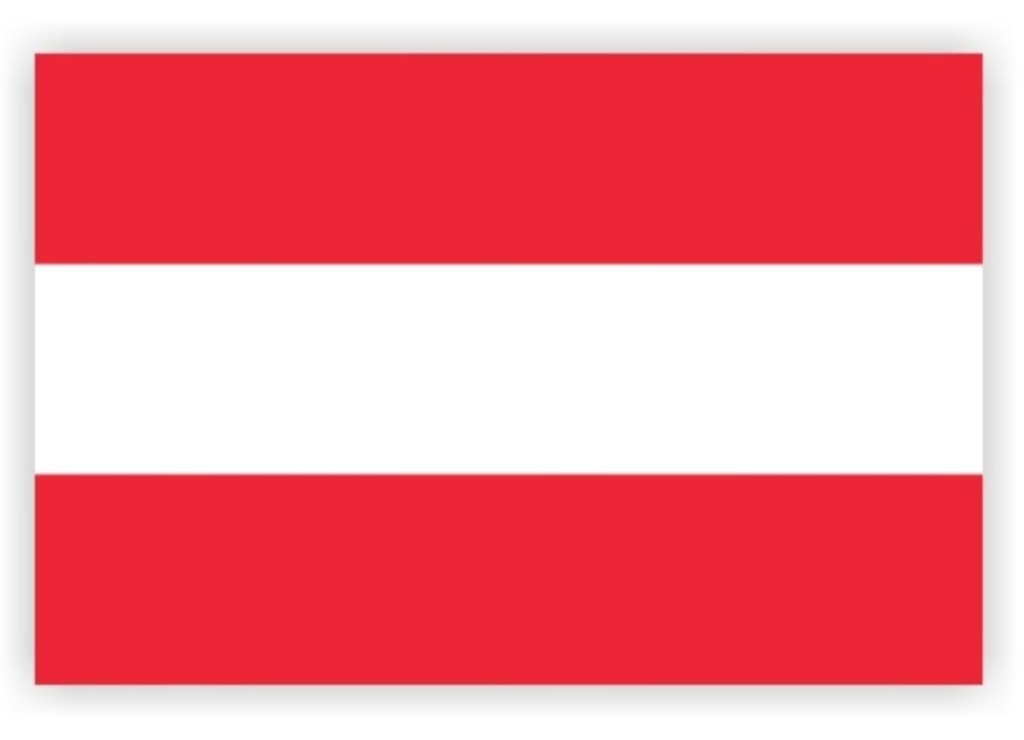
The flag of Austria consists of three equal horizontal bars of red, white, and red. It is one of the oldest national flags in the world that is still in use today, with origins dating back to 1230. According to a legend, the flag was accidentally designed by an Austrian duke after a bloody battle.
It was supposed to have been invented when the white clothing of the duke was entirely stained in blood, except for the section that was covered by his belt. When he took off his belt, he saw a red-white-red pattern on his garment. He thought it was striking and opted to use it as heraldic.
3. Latvia
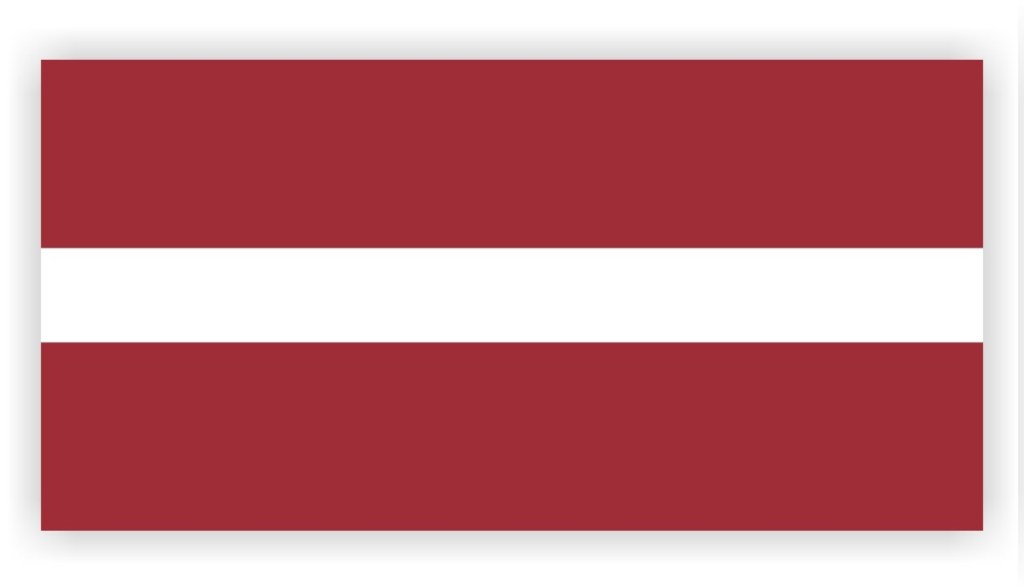
The Latvian flag resembles the Austrian flag in appearance. They look similar because they are both based on the idea of blood-stained fabric from a violent war. While the Austrian flag is taken from a duke’s stained garments, the Latvian flag originated from a white blanket in which a slain Latvian tribal leader was wrapped.
The area of the sheet on which his body was laid remained white, but the two edges were stained with blood. During the next battle, this blanket was used as a flag.
To set it apart from the Austrian flag, the Latvian flag was given a different color scheme—darker red bars and a thinner white band in the middle. The Latvian is also longer compared to the Austrian flag.
Click thumbnail to view full-size
4. Peru
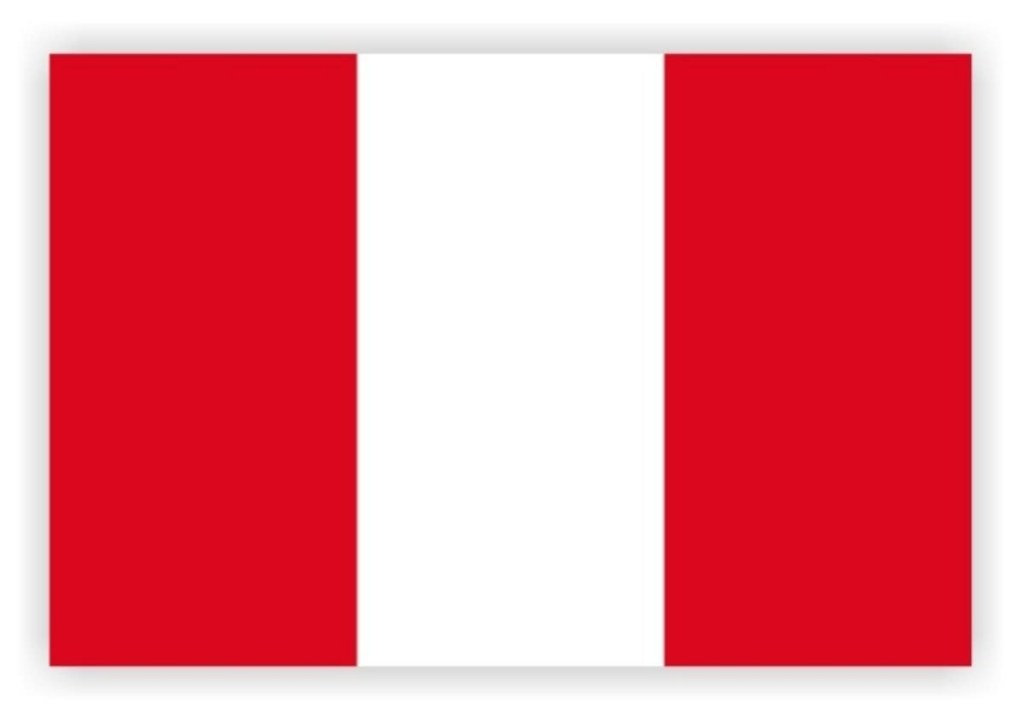
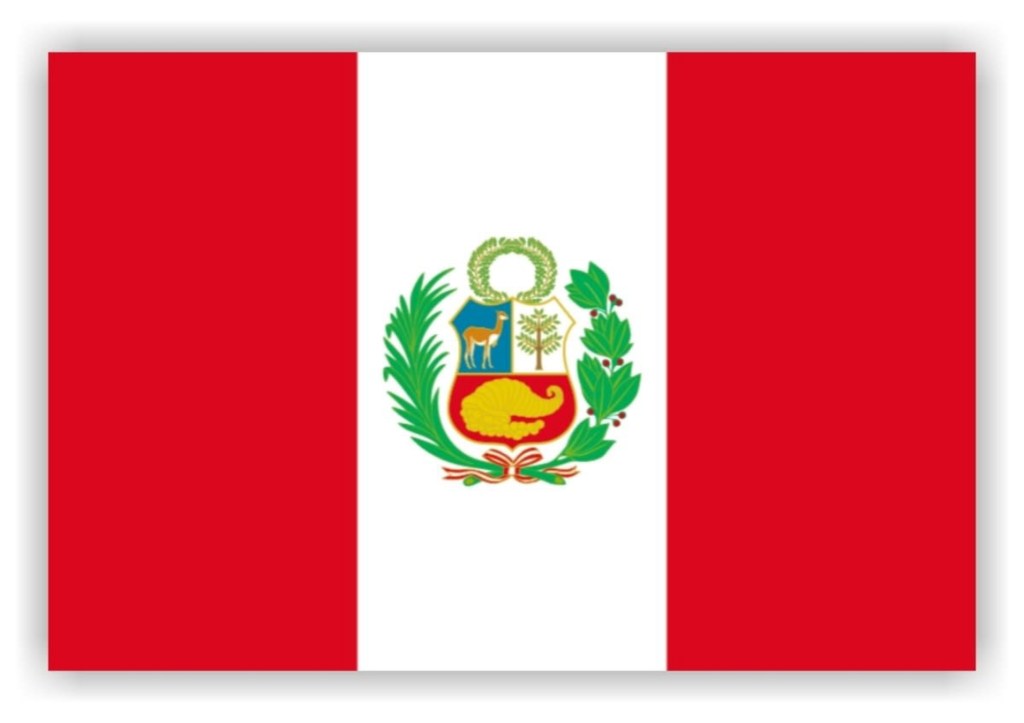
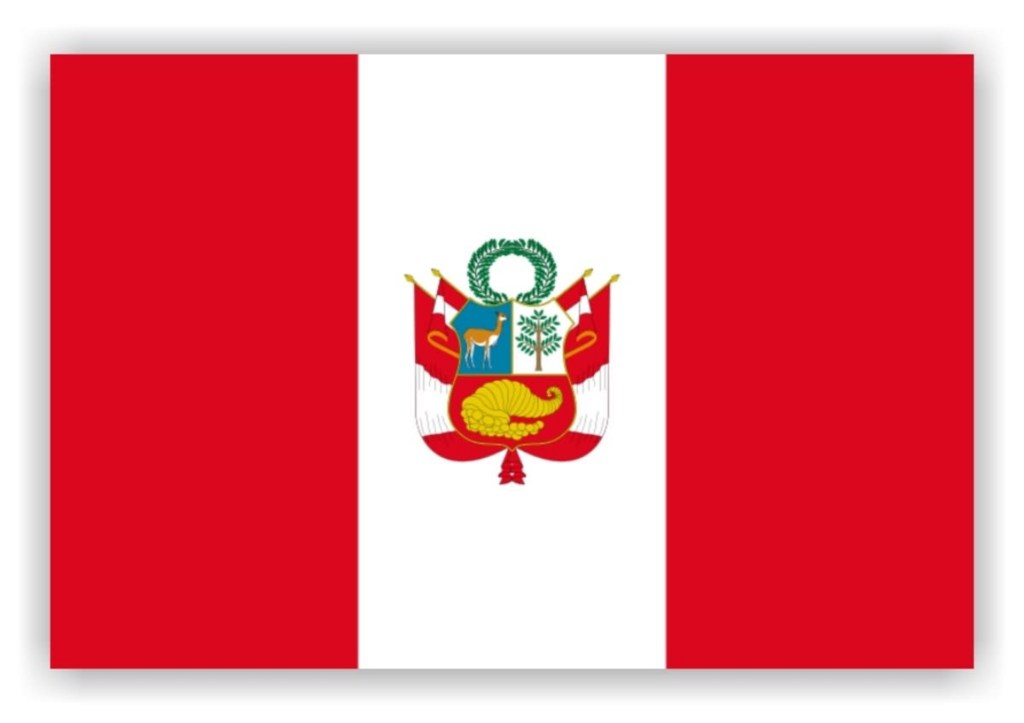
The Republic of Peru has three main flags: a national flag, a state flag, and a war flag. They’re all made up of three red, white, and red vertical bands. The difference between these three flags is that the white center of the state and war flag have coats-of-arms or family crests, whereas the white center of the national flag is blank.
The red bands of these flags symbolize the struggle for independence and the people’s fortitude, whilst the white band symbolizes justice and peace.
Both the Peruvian state flag and war flag have a shield in the center which is separated into three portions. There is a blue field with a vicuña, a white field with a cinchona tree, and a red field with a cornucopia pouring coins, on the upper left, upper right, and bottom, respectively.
These three elements represent the diversity of Peru’s fauna, flora, and other natural resources. On the top of the shields is a Civic Crown, which serves as their crest.
The state flag’s coat of arms features a palm branch on the left and laurel leaves on the right. A white and crimson ribbon, which has a similar pattern to the national flag, ties these emblems together. They represent glory and victory. The shield of the war flag, on the other hand, is encompassed by four Peruvian national flags.
5. Lebanon
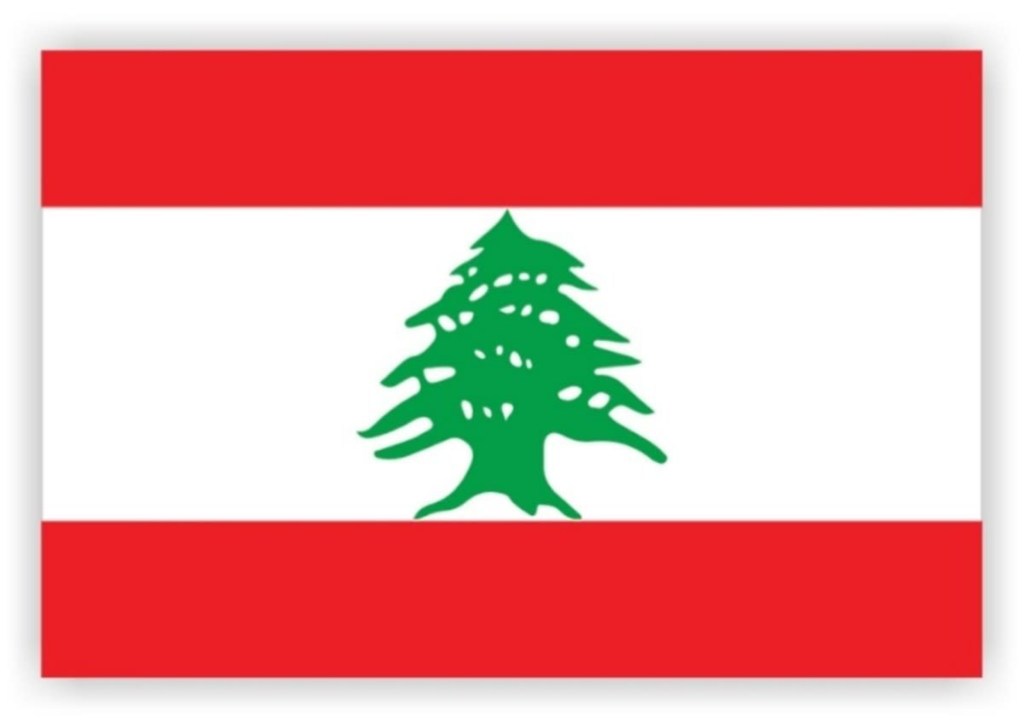
The Lebanese flag is made up of horizontally aligned red-white-red bands with a green cedar tree in the center. The white area with the cedar tree is based on the snow-capped Mount Lebanon, where cedar trees are the most common flora. White is also associated with purity and peace.
The cedar tree, which appears frequently in biblical writings, represents Christianity. The tree also stands for happiness, prosperity and everlasting life. The red stripes signify the sacrifice of people who fought for the independence of the nation.
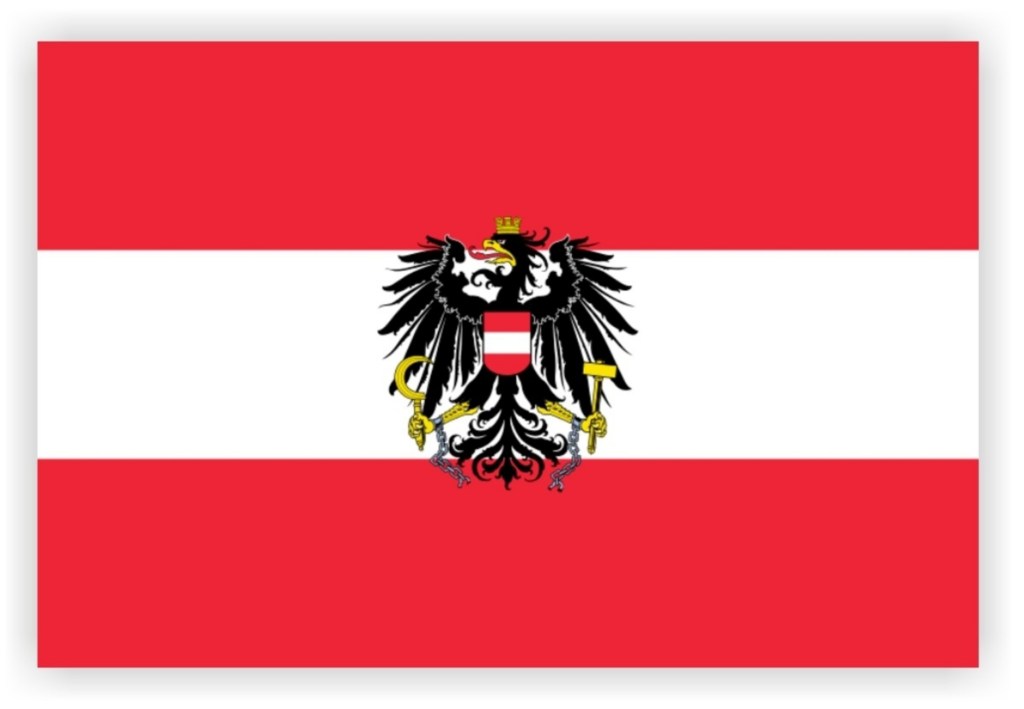
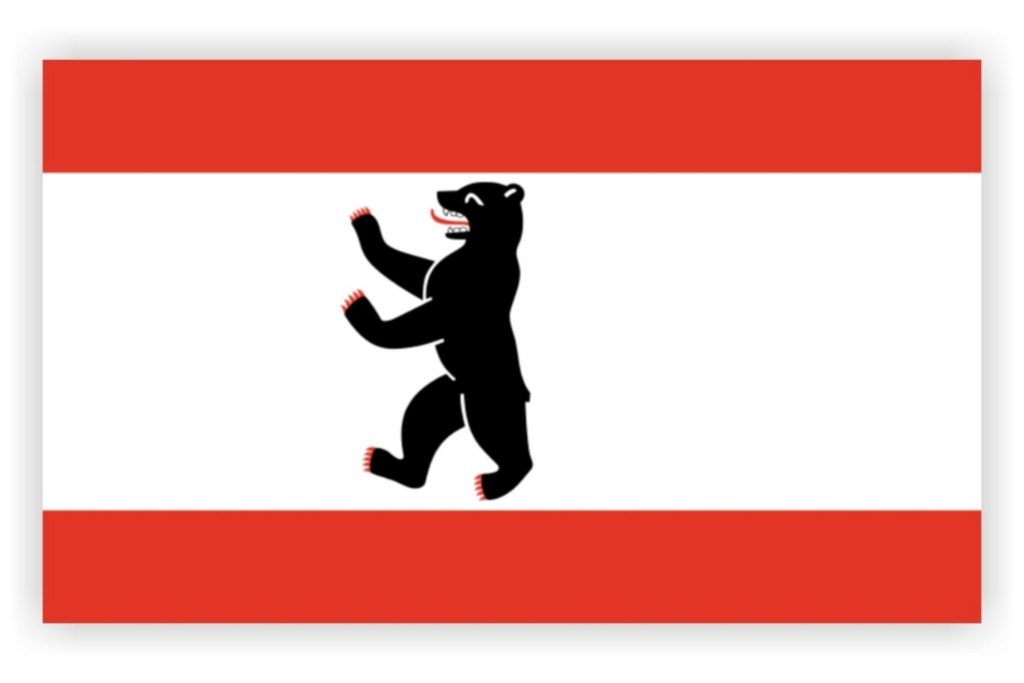
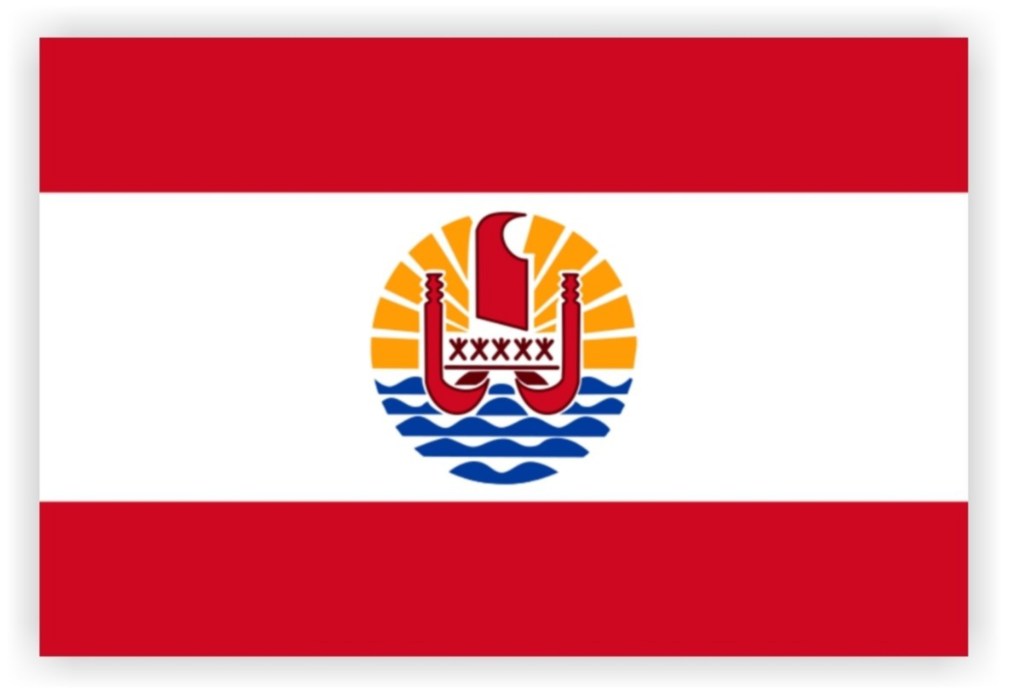
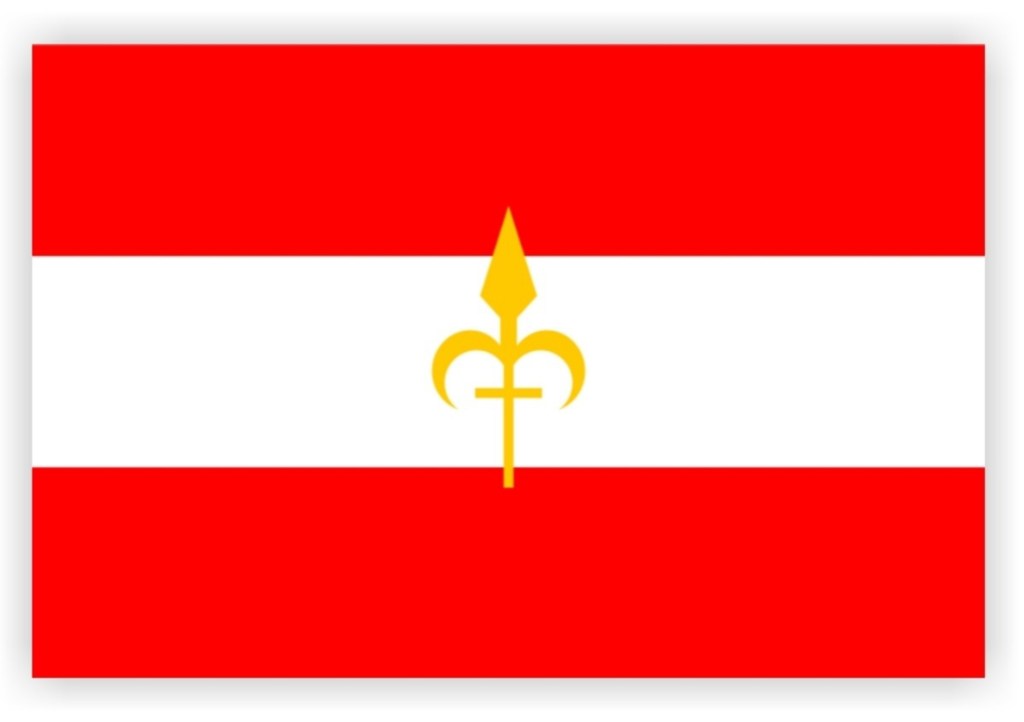
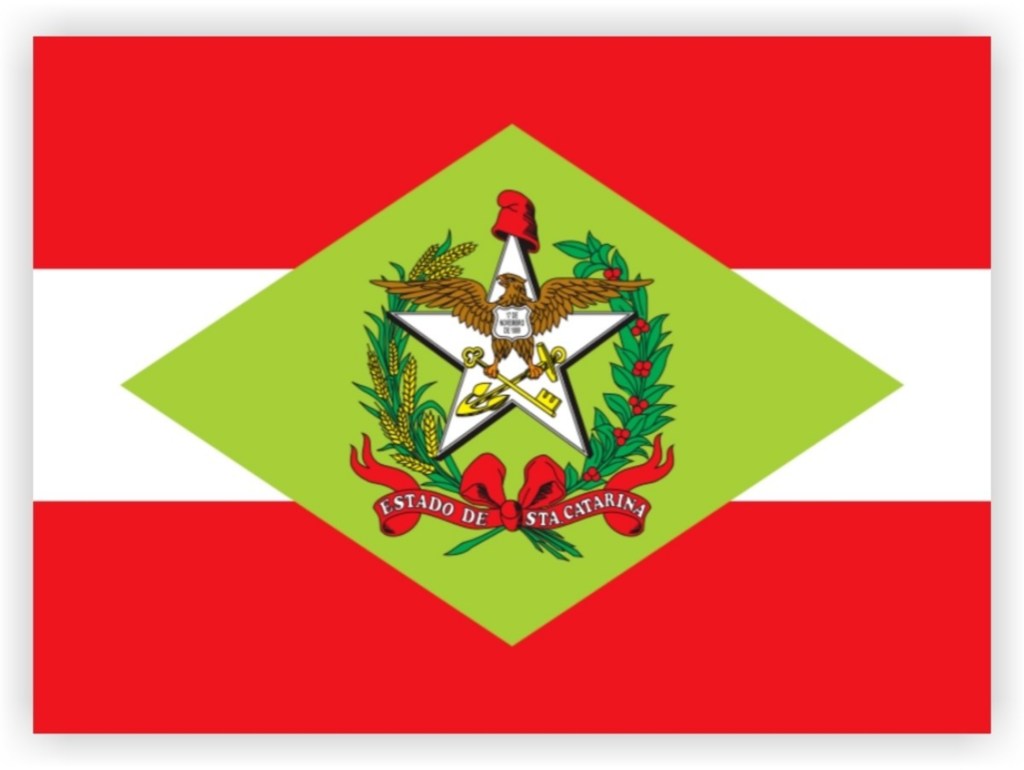
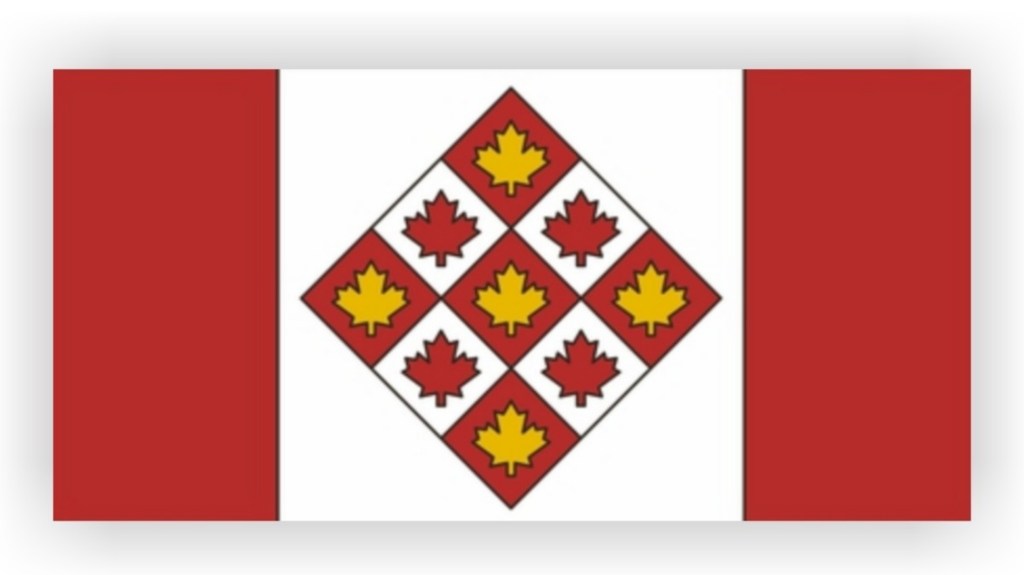
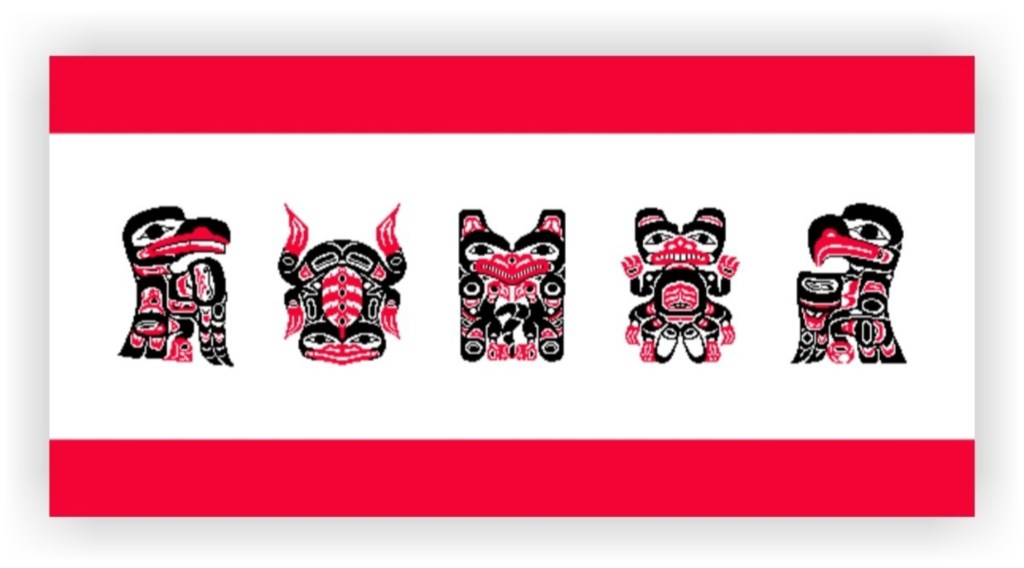
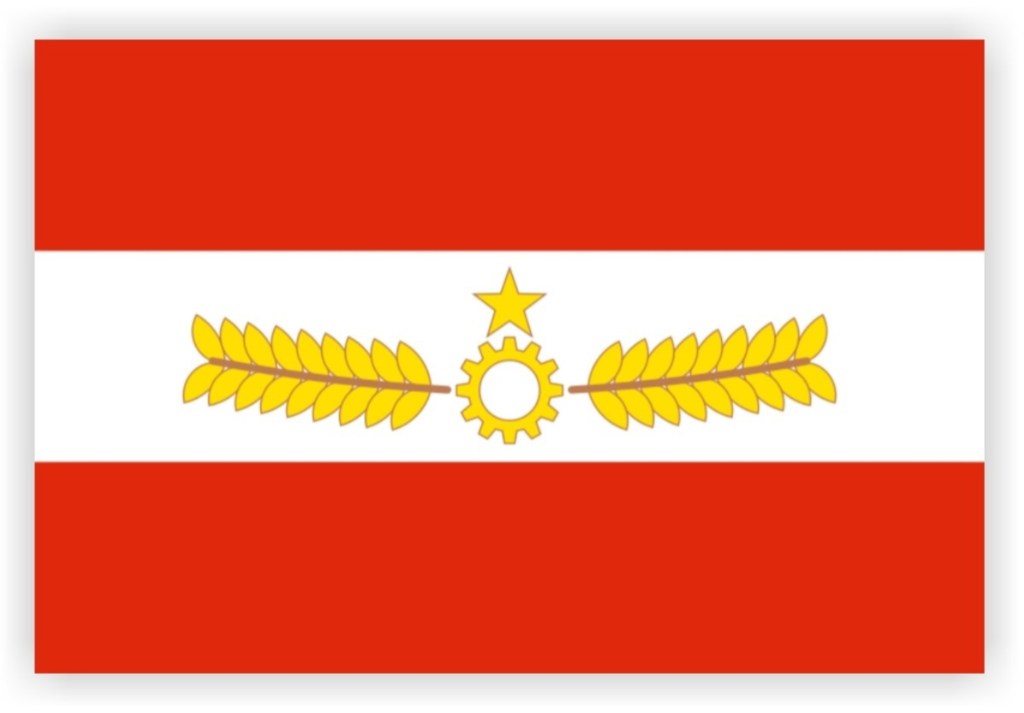
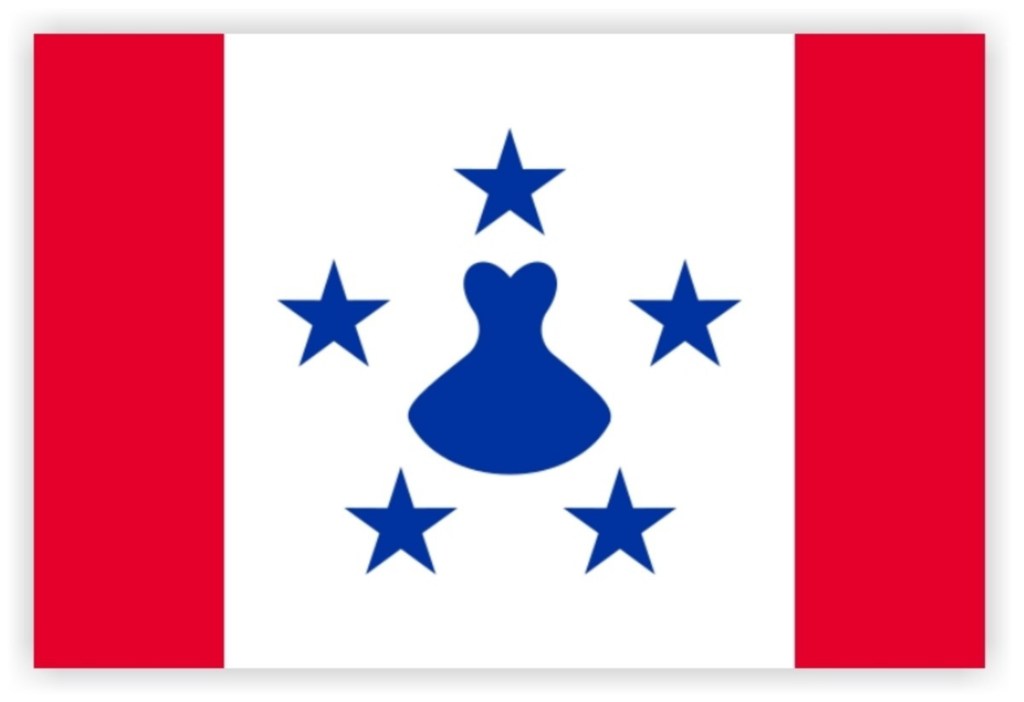
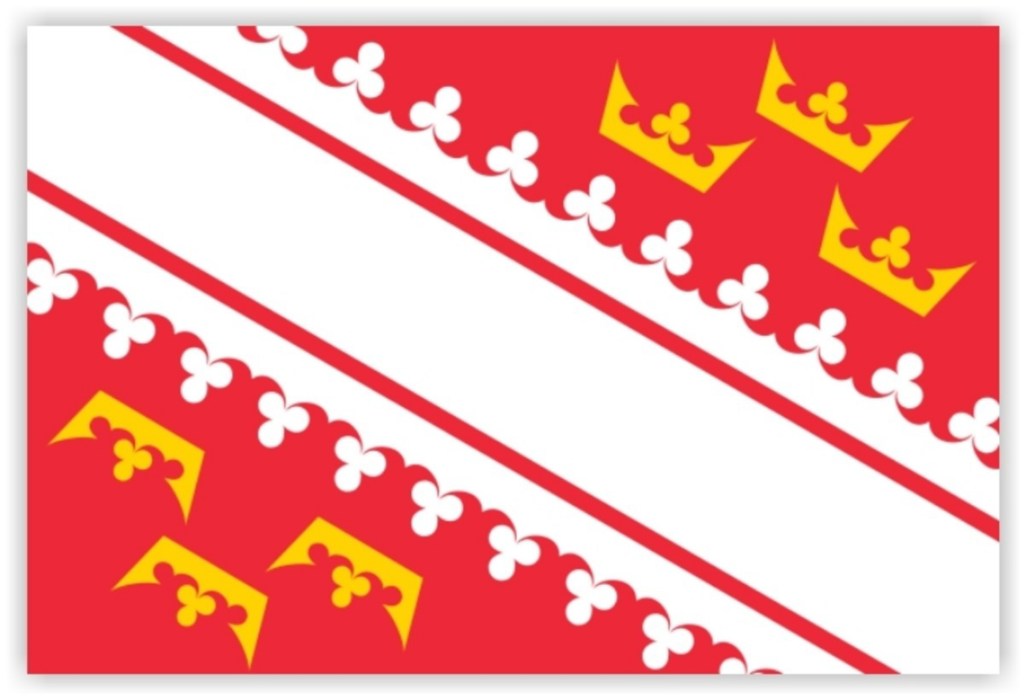
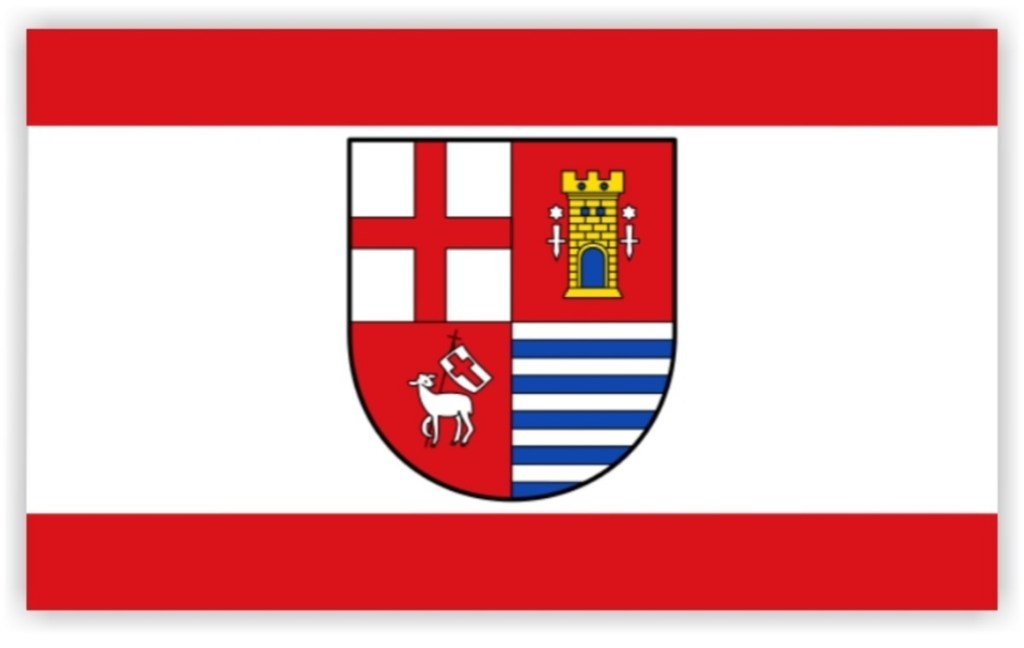
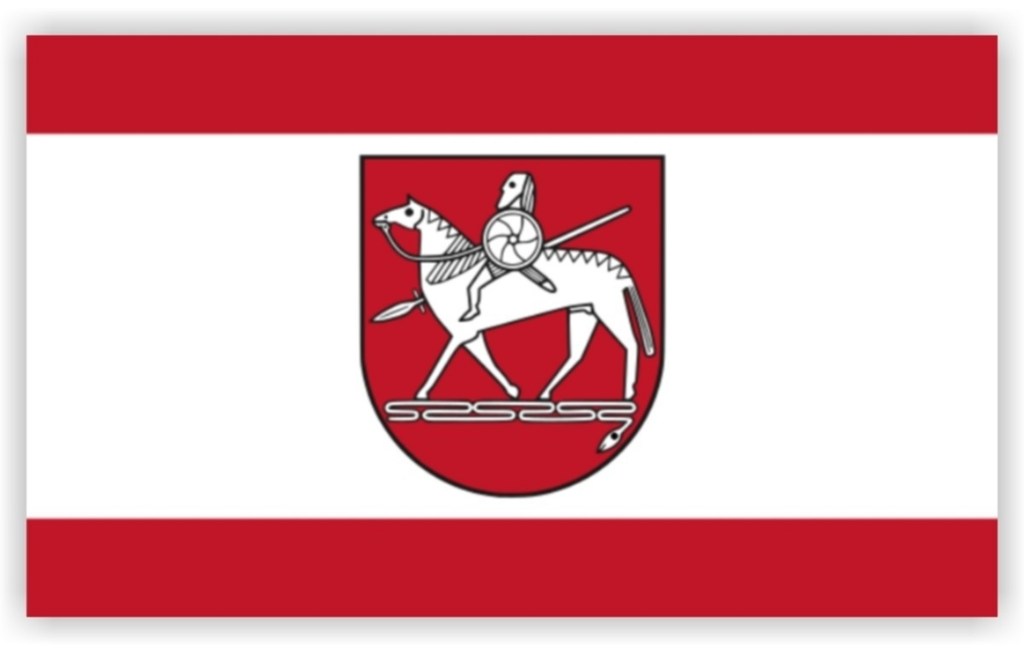
Other Flags That Have a Red-White-Red Motif

Sources of Information:
- List of Red-White-Red Flags | Flags of the World
- Poems About Red-White-Red Flags | Hubpages
- National Flag of Canada | The Canadian Encyclopedia
- The History of the National Flag of Canada | Canada.ca
- Flag of Lebanon | Britannica
- Lebanon National Flag: History & Facts | Flagmakers
- The History of the Peruvian National Flag | Lima Easy
- Austria Flag | World Population Review
- The Story Behind The Austrian Flag | Culture Trip
- Latvia: History of Flag | CRW Flags
- Flag of Latvia: From the Blood of Heroes | The Flag Institute
- World HistoryThe Evolution of Warfare: Standards of Battle by A Anders9
- South AfricaNational Symbols of South Africa – 2010 Fifa Soccer World Cup African host country by Tony McGregor47
- HomeschoolingHow to Make a Flag Book by Jimmie Quick34