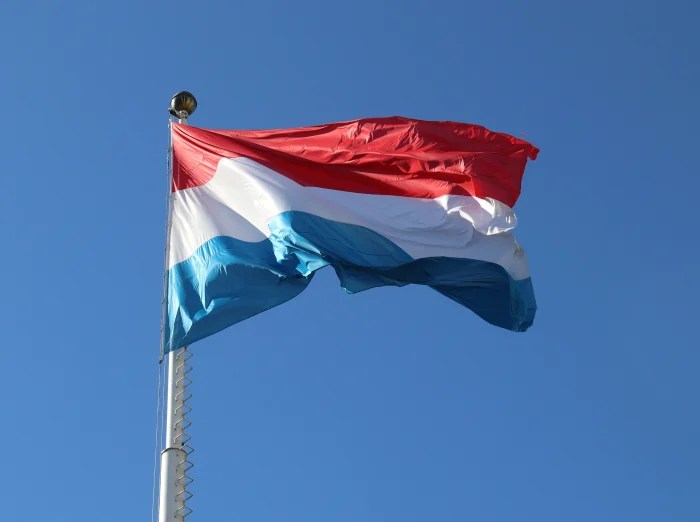
Flags are typically pieces of fabric with distinct designs, usually flown on a flagpole. They come in various colors, shapes, and designs. Most flags are square or rectangular, but some are triangular or have more than four edges. There are flags with a single color, others are multi-colored. Some of them feature stripes whether alternating or not. Also, many of them are adorned with images of different things such as of animals, celestial bodies, buildings, plants, or people.
Flags usually represent places such as nations, cities, or states. Their designs often reflect the history and culture of their respective regions. For instance, flags of Christian countries may feature a cross to symbolize Christianity, while some flags of Islamic countries include a crescent moon.
Flags are also used in other contexts, such as sports. In racing, a black-and-white checkered flag indicates the end of a race. Flags are also important for communication, especially in maritime settings. Those flags use in navigation convey different messages between ships.
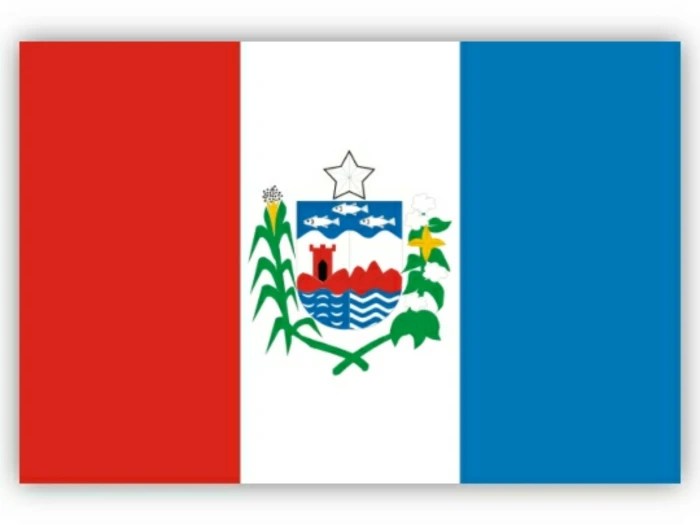
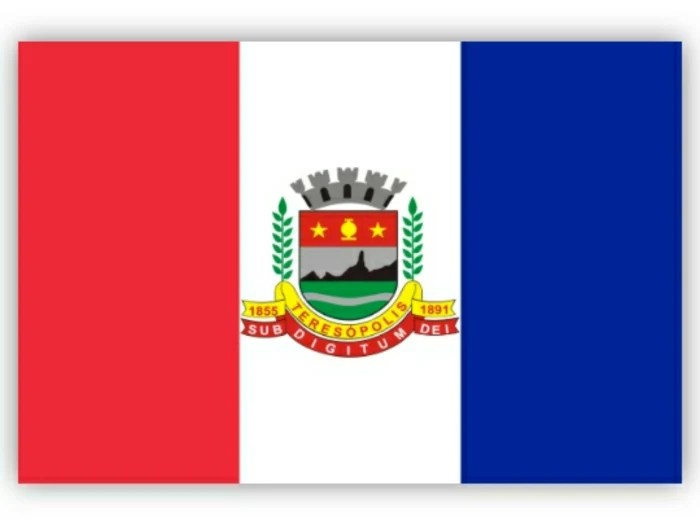
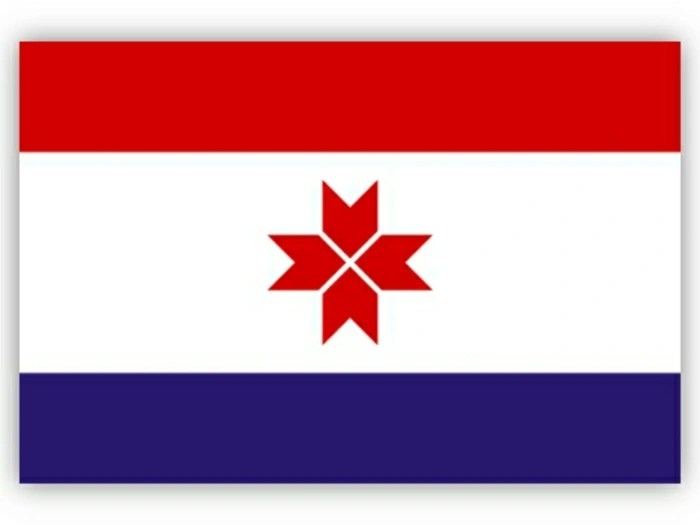
In this article, I will show you flags that have motifs of red, white, and blue stripes, arranged either top to bottom or left to right. I will have a special discussion on the flags of the Netherlands, Luxembourg, Paraguay, and Croatia, as they symbolize nations. After that, I will showcase other flags that feature this motif outside of national symbolism.
1. The Netherlands
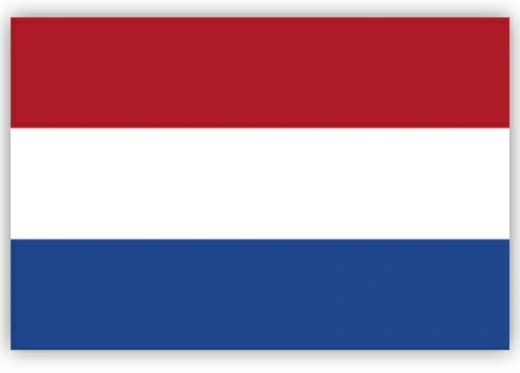
The flag of the Netherlands has a very simple design consisting only of horizontal triband of red, white and blue. The symbolism of the design of the Dutch flag is based on its history and a dedication to unity and a bright future of the country. The red stripe symbolizes bravery, strength, and the sacrifices of the people who fought for the independence of the country; the white band means peace and honesty; while the blue stripe symbolize peace, loyalty and justice. The design has been officially adopted as the national flag of the Netherlands since February 19, 1937.
2. Luxembourg
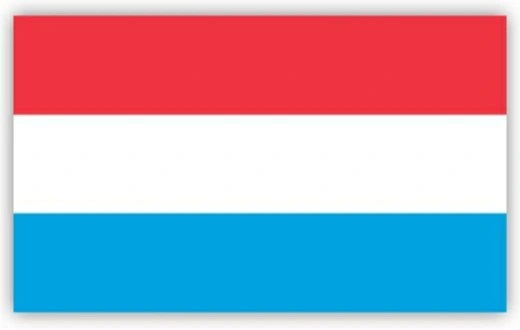
The banner of Luxembourg looks very similar to the national flag of the Netherlands. It just also features three horizontal stripes of red, white, and blue. However, these two banners differ in dimensions, and shades of the colors. Technically, the Luxembourg one is wider and lighter in color.
The reason why these two flags have similar design because the Luxembourg was once part of the Netherlands. When Luxembourg become an independent country, they opted to retain the Dutch flag. However, to set it apart from the banner of Netherlands, they just changed the dimension and shade of the colors of their flag. Don’t forget that the symbolism of these two banners are also the same.
3. Paraguay
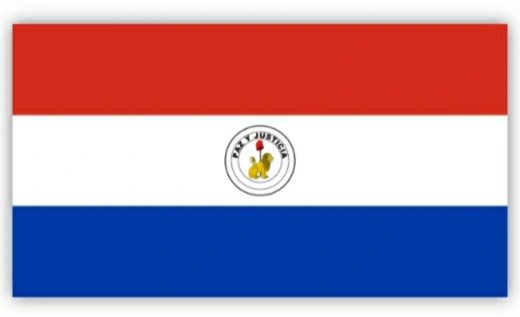
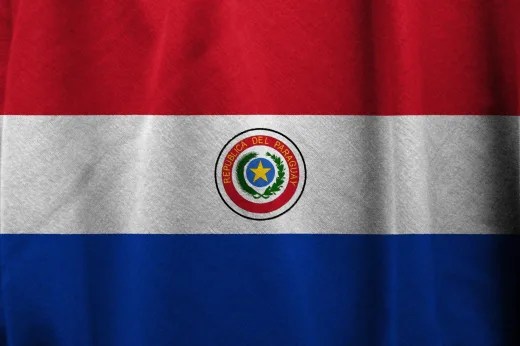
The Paraguayan national flag is one of the unique banner in the world as its obverse (front) side differing from its reverse (back) side. Like the other flags on the list, this national symbol is made up of three horizontal stripes of red, white, and blue differing only that it two different logos on either side of the white stripes. The colors of the stripes have symbolic significance; red symbolizes valor and patriotism, white means peace and purity, and blue represents liberty and independence.
The front side of this banner features the country’s national coat of arms, while the back side displays the national treasury seal. The national coat of arms that depicted in the front side features a yellow star surrounded by a wreath olive and palm branch with the full name of Paraguay in Spanish, “República del Paraguay” (Republic of Paraguay). On the back, however, the treasury seal depicts a lion carrying a pole with a Phrygian hat. The seal also has the country’s national motto, “Paz y Justicia” (Peace and Justice).
4. Croatia
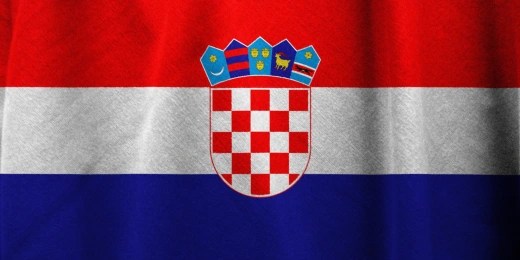
The flag of Croatia consists of three horizontal stripes in red, white, and blue, with the national coat of arms at its center.
The colors of the stripes hold symbolic meanings: red represents bravery, valor, and the blood shed of the people for independence; white means peace and unity; and blue symbolizes loyalty and faith.
The national coat of arms features a checkered shield, known as the “šahovnica” or “chessboard.” It comprise of alternating red and white fields. This motif is a common symbol in Croatian culture, appearing in traditional crafts and arts. It signifies the unity and resilience of Croatian people. Above this shield, there are five smaller shields arranged in a crown-like formation. Their color pattern alternates between light and dark blues. These five smaller shields represents the coat of arms of five historical regions of the country. From left to right, they represent Croatia proper, Dubrovnik, Dalmatia, Istria, and Slavonia.
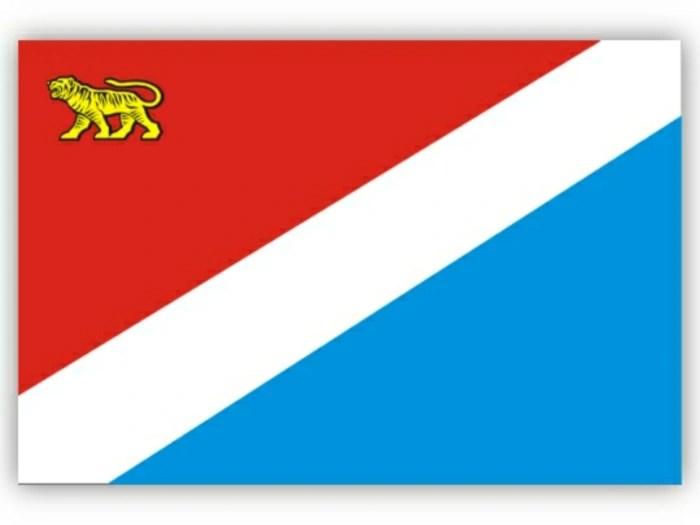
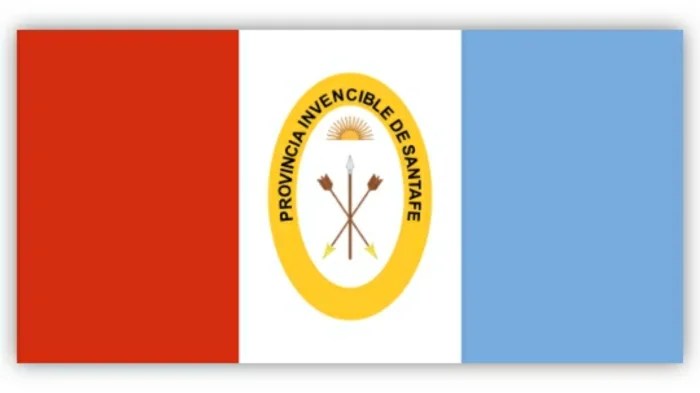
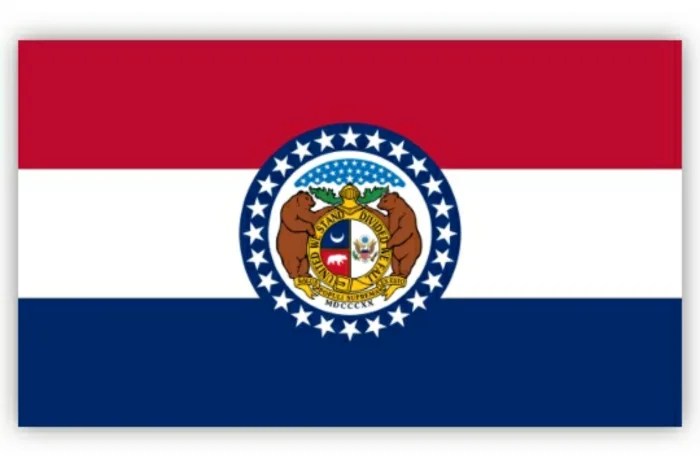
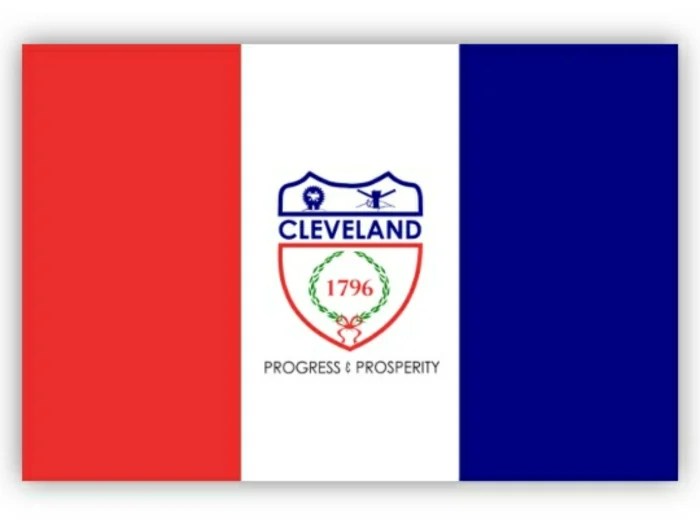
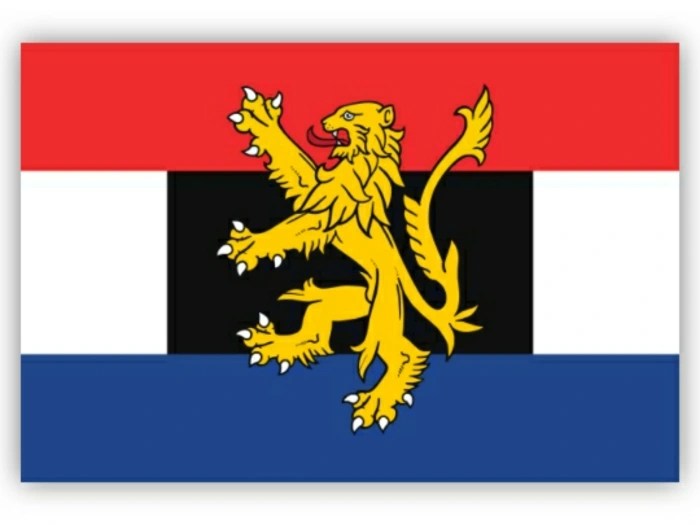
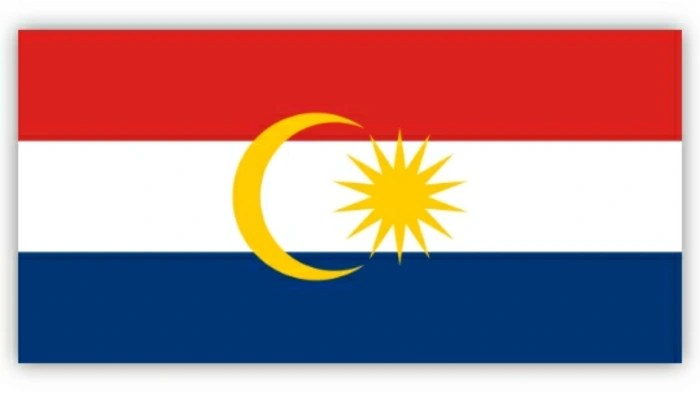
Other Flags From Around the World That Features Red-White-Blue Motifs:

Sources of Information:
Sources:
- Flag of the Netherlands | Royal House of the Netherlands
- The History and Meaning Behind the Netherlands Flag | Carvers Reach Realty
- Netherlands | History, Flag, Population, Languages, Map, & Facts | Britannica
- Luxembourg National Flag: History & Facts | Flagmakers
- National Symbols: The Red Lion, a Tricolour Fla… | The Government of the Grand Duchy of Luxembourg
- Kingdom of the Netherlands | Flags of the World
- Paraguay National Flag : History & Facts | Flagmakers
- Knowledge Bites: What’s Up With Luxembourg’s Flag? | RTL Today
- National Flags and Ensigns of Luxembourg | Anton Pihl