Are There Any Flags With Snakes?
Snakes have had many different connotations throughout history and across cultures. They’re regarded as symbols of fertility, rebirth, and healing in many ancient civilizations, including Ancient Egypt, Greece, and Mesoamerica because of their ability shed their skin.
In some cultures, these creatures have been associated with deceit, danger, and evil, often portrayed as cunning and manipulative creatures, such as in Judeo-Christian mythology with the story of the Garden of Eden
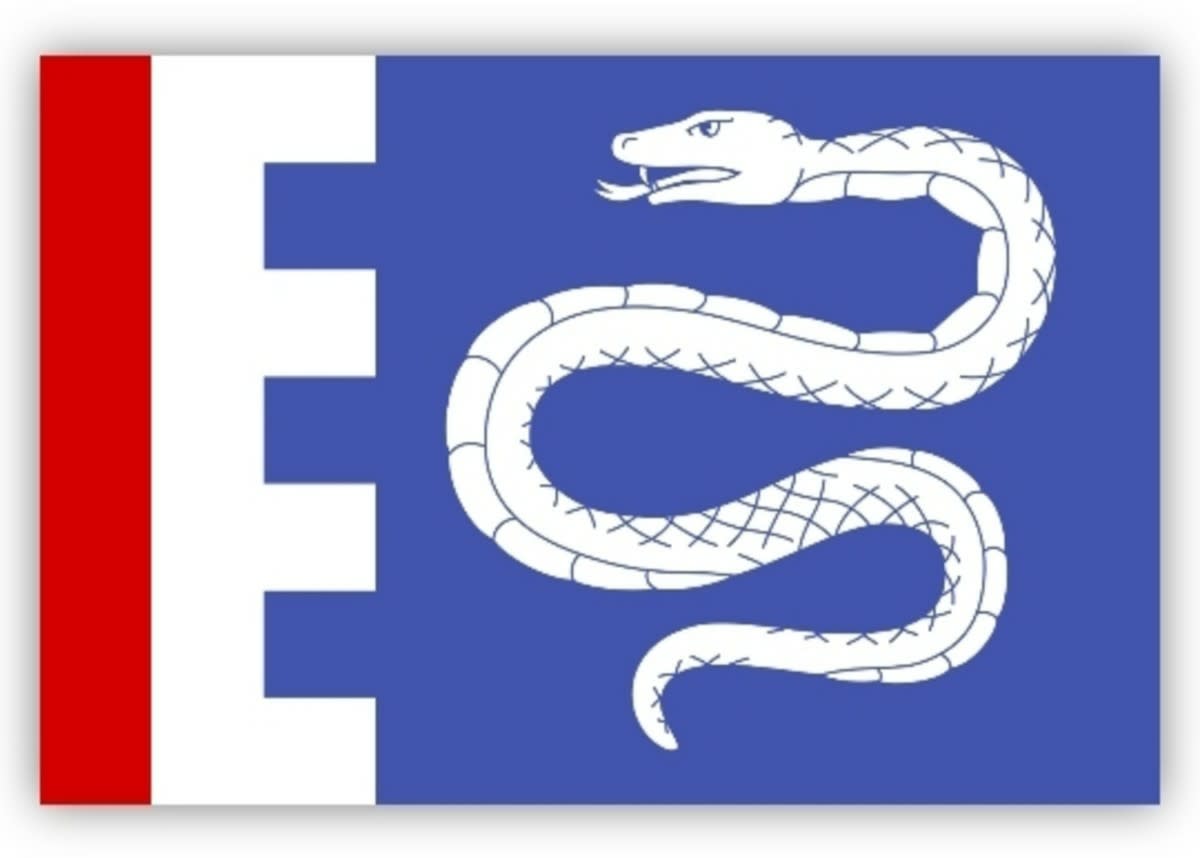
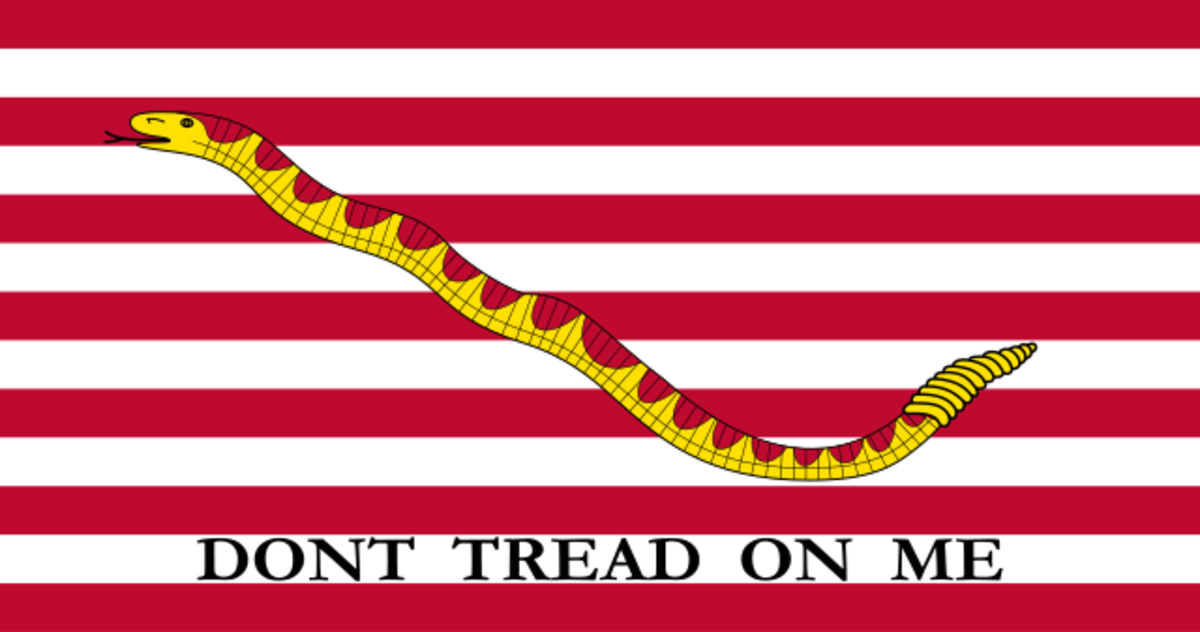
Today, I’ll showcase flags adorned with snakes, paying special attention to Mexico’s flag, unique as the only national flag prominently featuring a snake. Afterward, I’ll explore other snake design flags, including former national flags, flags of cities and provinces, as well as banners incorporating snakes outside of national symbolism.
What Is Mexico?
Mexico is a country located in the southern part of North America. It was a Spanish colony, which is why its cultural heritage is a blend of indigenous traditions with Spanish colonial influences. It is the 13th largest country in the world and the third largest in Latin America by area and the most populous Spanish-speaking country in the world.
Mexico is also famous for its vibrant cuisine, colorful festivals, and archaeological sites, including the ancient city of Teotihuacan and the Aztecs’ Chichen Itza.
The Mexican Flag

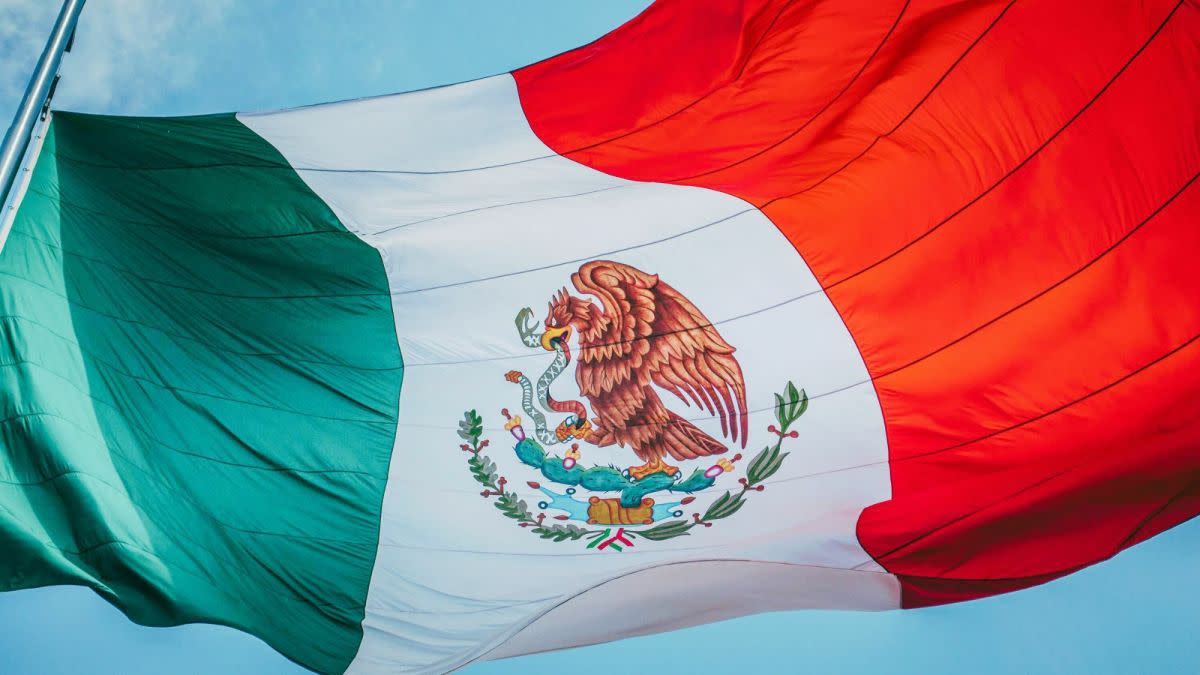
The Mexican flag feature three vertical stripes: green on the left, white in the middle, and red on the right. In the center of the white stripe, there’s a coat of arms showing an eagle consuming a snake on a cactus. Underneath the cactus, there is a bundle of oak and laurel leaves.
The meanings of the colors of the triband of the Mexican flag are the following: the green stripe symbolizes hope, fertility, and the lush landscapes of the country; the white stripe represents purity and unity, it also means peace and harmony among its people; and the red stripe stands for the blood of the martyrs and the people who sacrificed their lives for the Mexico’s independence.
The design of of the triband comes from the flag of the Army of the Three Guarantees, used during the Mexican War of Independence. This army played a pivotal role in securing Mexico’s independence from Spain. Over time, the flag was modified, eventually including the coat-of-arms of Mexico. The coat-of arms contains an eagle holding a snake while perched on a cactus, which are all important symbols in Mexico’s history and legends.
The design coat of arms is influenced by the Aztec mythology and history. It is based on the folklore of the founding of Tenochtitlan, the capital of the Aztec Empire, which is now Mexico City. According to folklore, the Aztecs were told by their god Huitzilopochtli to build their capital city where they saw an eagle perched on a prickly pear cactus while consuming a snake.
Each element in the coat of arms also holds symbolic meaning. For Aztecs, the eagle stood as a symbol of power, bravery, justice, and freedom while snake was linked to darkness, chaos and evil. By consuming the snake, the eagle represented the defeat of the negative forces.
The cactus, a plant native to Mexico, due to its resilience in harsh ecosystems, it represents the strength and determination of the Mexican people to overcome obstacles.
The laurel and oak stand for victory and strength. They remind the Mexico’s achievements and the courage of its people.
Other Flags From Around the World That Feature Snakes








Sources of Information:
- Snake Symbolism: What Serpents Mean in Our World | Happy Serpent
- The Curious Symbolism of Snakes in Literature and Myth | Interesting Literature
- Cultural Views on Snakes | My Quest Blog
- Mexico | World Fact Book | Central Intelligence Agency
- History of Mexico | History.com
- Mexico | History, Map, Flag, Population, & Facts | Britannica